How to Use a Twin-Tub Washing Machine
To use a twin-tub washing machine, wash clothes in the wash tub, drain the water, rinse them, then transfer them to the separate spin tub. Follow your machine's manual for water levels, cycle times, and safe operation.
On this page (10 sections)
- What is a twin-tub washing machine?
- How do you use a twin-tub washing machine step by step?
- How should you load the wash tub?
- How do you rinse clothes in a twin tub?
- How do you transfer clothes to the spin tub safely?
- What do the hoses and drain setup need?
- Which parts and accessories can help?
- How do you avoid common twin-tub mistakes?
- How should you care for clothes after spinning?
- What is the easiest way to remember the process?
To use a twin tub washing machine, wash clothes in the wash tub, drain the water, rinse them, and move them to the separate spin tub. The manual transfer takes a little attention, but it lets you wash one load while spinning another if your model allows it.
A twin tub washer has two compartments with different jobs. The wash tub handles washing and rinsing; the spin tub extracts much of the water before you hang clothes to dry.
What is a twin-tub washing machine?
A twin-tub washing machine has one tub for washing and rinsing and a second tub for spinning. Unlike an automatic washer, it generally needs you to move clothes between tubs and manage the water and drain controls.
For an automatic washer routine, see how to use a Miele washing machine.
The exact setup varies by model. Check its manual for load limits, water levels, wash and spin times, and how to connect or position the drain hose.
If you are comparing other compact options, see how to use a portable washer.
How do you use a twin-tub washing machine step by step?
Sort clothes, wash them in the wash tub, rinse, then transfer them to the spin tub in a balanced load. Keep the machine stable, follow its water-level marks, and don't exceed the manual's capacity.
- Sort laundry by color, fabric, and care label. Empty pockets and fasten zippers.
- Add clothes to the wash tub without packing them tightly.
- Fill to the indicated level, then add the detergent amount and type recommended by the detergent label and washer manual.
- Select the wash action and time, then start the wash tub.
- Drain the wash water when the cycle ends.
- Refill with clean water and rinse, repeating if the water remains soapy.
- Lift clothes out, letting excess water drip back into the wash tub.
- Place clothes evenly in the spin tub, secure any supplied cover, and run the spin cycle as directed.
- Remove the clothes and hang them to dry.
Don't assume every twin tub has the same controls. Some models have separate timers or drain selectors, so use the manual's order if it differs from these general steps.
How should you load the wash tub?
Leave room for clothes to move through the water. For an impeller model, see how to load an impeller washing machine.
A tightly packed tub can limit washing action and make it harder to rinse detergent from fabric.
Wash similar colors and fabric weights together, and check garment care labels before choosing a wash time. Small items can be placed in a laundry bag if the washer instructions allow it.
For practical load-size guidance, read how to load a washing machine without overloading it. A twin tub may have different limits for washing and spinning, so check both.
How do you rinse clothes in a twin tub?
Drain the soapy water, refill the wash tub with clean water, and run the rinse action. Repeat with fresh water if clothes still feel slippery or the water remains visibly sudsy.
Keep the drain hose in its proper position while filling and washing, then place it where the manual directs for draining. Don't leave the machine unattended if a hose could shift or water could spill.
Use detergent only in the wash step unless your machine's instructions say otherwise. For separate bleach guidance, see how to use bleach in a washing machine.
If you are considering vinegar for laundry, first check fabric care labels and the washer manual; this guide to how to use vinegar in a washing machine covers where it may fit.
How do you transfer clothes to the spin tub safely?
Move clothes in manageable batches and spread them evenly around the spin tub. A lopsided load can cause shaking, noise, or an interrupted spin.
Keep hands away from a moving spin basket. Don't reach inside until it has stopped completely, and use the supplied cover or safety features as directed.
Bulky items can be difficult to balance alone. Learn why one heavy item can unbalance a washing machine before spinning a heavy blanket or similar item.
If the machine vibrates strongly, stop it according to the manual and rearrange the load. Don't hold a running machine in place or keep spinning a load that remains unbalanced.
What do the hoses and drain setup need?
Use the hose and drain arrangement specified for your model. Check for secure connections and a drain outlet that can handle the water without overflowing.
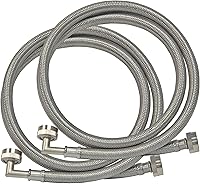
The Eastman 5 ft Washing Machine Hose Connectors come as a pair with 3/4 in FHT connections, elbows, and color-coded hot and cold hoses. They are designed for washing machine supply connections, so check compatibility with your machine before choosing them.
A twin tub may use a different water hookup or may be filled by hand. Confirm your washer's connection type and the hose requirements in its manual before installing anything.
Which parts and accessories can help?
Choose accessories only when they match the setup or a specific repair need. A supply hose, machine part, or floor pan won't improve washing if it doesn't fit your model and installation.
The GE WH49X10042 Genuine OEM Agitator Coupling Kit connects the transmission drive shaft to the agitator base on compatible GE washing machine models. It is a replacement part for those models, so confirm the model match and follow the owner's manual when installing.
This part is for a GE washer; it may not apply to a twin tub machine from another brand or design. Don't open or repair a washer unless you can follow the manual's safety steps.
The Camco Low Profile Washing Machine Drain Pan is made for front-loading washing machines and sits beneath the washer to protect the floor from leaks. Its dimensions are 31 x 35 in outside and 29 x 33 in inside, so measure the space and check whether its shape suits your machine.
A drain pan is for leak management, not a substitute for a sound hose connection or a properly placed drain hose. Check it regularly for standing water.
How do you avoid common twin-tub mistakes?
Use separate wash and rinse water, balance the spin load, and follow your machine's specific limits. These habits reduce spills, soap residue, and excessive movement.
- Don't overload either tub. Check the capacity for washing and spinning separately.
- Don't start spinning a tangled heap. Loosen and distribute clothes around the basket.
- Don't reach into the spin tub while it's moving.
- Don't let a drain hose rest where it can slip or spray water.
- Don't assume a long wash or spin time is safe for every fabric.
If the washer leaks, vibrates heavily, or makes a new grinding sound, stop the cycle and consult the manual before continuing. Keep water away from plugs and controls.
How should you care for clothes after spinning?
Hang clothes promptly and use a drying method that suits the fabric. The spin tub removes much of the water, but clothes may still be damp.
Shake out each item before hanging it to reduce folds, and leave space for air to move between garments. Check care labels before using direct sun or high heat, since some fabrics can fade or shrink.
Choose a sturdy line or rack for heavier wet items, and spread their weight across multiple supports when possible. Remove clothes when dry so they don't sit damp in a pile.
What is the easiest way to remember the process?
Wash, drain, rinse, transfer, balance, and spin is the basic sequence. Use the washer manual for the controls and limits that are specific to your model.
Choose a twin tub if you are comfortable managing water and moving laundry by hand. If you want to compare the steps with a manual washer, start with how to use a manual washing machine.
Frequently asked questions
What is a twin-tub washing machine?
A twin-tub washing machine has separate tubs for washing and spinning. You wash and rinse clothes in one tub, then move them by hand to the spin tub to remove much of the water.
Exact controls and drain steps vary by model, so use the manual for your machine.
Do you have to move clothes between tubs by hand?
Yes, most twin-tub machines require you to transfer clothes manually from the wash tub to the spin tub. Lift items carefully, let excess water drain over the wash tub, and arrange the load evenly in the spin tub before starting it.
Should you use detergent in the rinse tub?
No. Use clean water for rinsing after the wash water has drained.
Move clothes through one or more rinse batches as needed, changing the rinse water if it becomes soapy or visibly dirty.
Can you wash and spin at the same time?
Some twin-tub models allow washing in one tub while spinning a separate load in the other, but controls and limits vary. Check your manual before running both sides at once, and keep each load within its tub's capacity.