How to Use a Manual Washing Machine
To use a manual washing machine, add water and detergent, wash a small load with the hand-powered mechanism, then drain, rinse, and remove water as its instructions direct. Sort clothes first, avoid overfilling the tub, and handle wet garments gently.
On this page (8 sections)
- How do you use a manual washing machine step by step?
- What should you check before adding clothes?
- How much laundry fits in the tub?
- How do you wash clothes without damaging them?
- How do you rinse and remove water?
- What if the washer doesn't agitate?
- How can you keep water from reaching the floor?
- Which manual washing steps matter most?
To use a manual washing machine, add water and detergent, wash a small load with the hand-powered mechanism, then drain, rinse, and remove water as its instructions direct. Sort clothes first, avoid overfilling the tub, and handle wet garments gently.
Manual washers vary. Some use a crank or lever to agitate clothes, while others include a separate spinner or wringer, so read the instructions for your model before adding water.
How do you use a manual washing machine step by step?
Sort, fill, wash, drain, rinse, and remove water in that order. A small load gives clothes room to move and makes the hand-powered mechanism easier to operate.
- Sort items by color, fabric, and care label. Set aside anything that needs a special wash.
- Place the washer on a stable, level surface near a suitable water source and drain.
- Add water to the level recommended by the washer maker, then add detergent as directed.
- Put in a modest load, close or secure the lid, and operate the handle or pedal as instructed.
- Drain the wash water, add clean rinse water, and agitate the clothes gently.
- Remove water with the washer's approved spinner or wringer, if it has one, then air-dry clothes.
For a version with separate wash and spin tubs, see how to use a twin-tub washing machine. If your washer connects to a sink, how to use a portable washer covers setup and use for that style.
What should you check before adding clothes?
Check garment care labels and the washer instructions before washing. For bleach steps and precautions, see how to use bleach in a washing machine.
Look for items that need cold water, gentle handling, hand washing, or a separate load.
Empty pockets, close zippers, and fasten hooks that could snag other fabric. Turn delicate or dark items inside out if their care labels allow machine washing.
Set the washer on a surface that can handle splashes. Keep the drain hose secure and direct water into an appropriate sink or drain, following the washer manual.
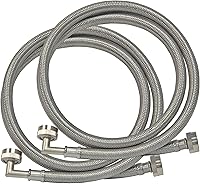
If you plan to connect a standard washer supply line, the Eastman set includes two 5 ft braided hoses with 90-degree elbows, one blue for cold water and one red for hot water. Check your washer's connection requirements before choosing hoses.
A manual washer may not use standard hot and cold supply hoses, so confirm the setup before buying. Follow the washer maker's instructions for filling and draining.
How much laundry fits in the tub?
Load only enough clothing for it to move freely through the water. A packed tub can prevent even hand-powered agitation and make rinsing harder.
Start with a few lightweight items if you're unfamiliar with the washer. Add water and detergent according to the manual, then check that the clothes can circulate when you turn the handle or pedal.
Bulky towels and jeans take up more space than shirts. For bedding, see how to wash a comforter in a washing machine.
Wash them in smaller batches, and compare your load with how to load a washing machine without overloading it.
Avoid adding only one heavy item if it can't move freely or makes the washer unstable. If you have a very small load, can a washing machine be underloaded? explains why load size can affect a wash.
How do you wash clothes without damaging them?
Use gentle, steady strokes and let the water and detergent do much of the work. For stubborn dirt, soak the garment briefly if its care label and washer instructions allow it.
Don't force a stiff handle or pedal. If the mechanism binds, stop and check whether fabric is caught or the tub is overloaded.
Avoid mixing delicate fabrics with heavy items that may rub or tangle. Wash wool, silk, and other special-care garments only if their labels and the washer manual allow it.
Can you use regular laundry detergent?
Use detergent in the amount recommended for the water and load size. Too much can leave residue and require extra rinsing, while the washer maker may specify a particular detergent type.
Dissolve detergent in the water if the washer instructions recommend it, especially for a small cold-water load. Don't pour concentrated detergent directly onto delicate fabric unless its label permits that method.
How do you rinse and remove water?
Drain the wash water, refill with clean water, and agitate gently to rinse. Repeat with fresh water if suds remain or the rinse water still looks soapy.
Use the manual washer's spinner or wringer only as its instructions describe. Keep fingers and loose clothing away from moving parts, and don't overload a spinner.
If there is no water-removal feature, press garments gently against the tub to release water. Avoid twisting delicate knits, which can stretch their shape.
Hang clothes promptly in a place with airflow. Check care labels for drying instructions, since some items need to lie flat or stay out of direct heat.
What if the washer doesn't agitate?
Stop and check the load, handle, and setup before trying again. Clothes may be wedged against the tub or packed too tightly for the mechanism to move.
Remove a few items, check that the washer is stable, and try again with gentle pressure. Don't force a stuck handle or reach into a moving mechanism.
For a conventional GE washer with an agitator problem, the GE WH49X10042 is an agitator coupling kit that connects the transmission drive shaft to the agitator base. It fits various GE models, so confirm your washer model and follow its owner's manual before installation.
This part is for compatible GE washers, not a general repair part for manual washers. If your manual washer's handle or internal mechanism fails, use the maker's repair guidance or contact its support team.
How can you keep water from reaching the floor?
Place the washer where splashes and draining water can be managed safely. Keep the floor clear, route the drain hose securely, and wipe up spills as you work.
A drain pan can help protect a floor beneath a compatible front-loading washer. The Camco low-profile pan measures 31 x 35 in outside, includes a PVC drain fitting, and is designed for front-loading washing machines.
This pan is not a stand for a manual washer. Check the washer's footprint and installation instructions before using any pan, and don't block a drain or place an appliance on an unstable surface.
Which manual washing steps matter most?
Use a small load, follow the washer instructions, rinse with clean water, and remove water gently. Those steps help you wash without overloading the mechanism or stretching wet fabric.
Choose a water and detergent amount that suits the load, then keep hands clear of any moving parts. Pick a portable washer if you need a sink connection, or a twin-tub model if separate washing and spinning tubs fit your routine.
Frequently asked questions
How much detergent should I use in a manual washing machine?
Use the amount recommended by the detergent label for a small load and the water volume you added. Too much detergent can leave suds in the fabric and make rinsing harder.
If the washer maker gives a detergent amount, follow that guidance first.
Can you spin clothes in a manual washing machine?
Some manual washers have a hand-powered spinner or wringer, while others only wash and rinse. Check the model instructions before using any water-removal feature, and keep hands, sleeves, and loose fabric clear of moving parts.
Do you need to rinse clothes after washing by hand?
Yes, rinse after washing to remove detergent from the fabric. Drain the wash water, add clean water, and agitate the clothes gently; repeat if the water remains soapy.
Follow the washer instructions for draining and for any rinse cycle.