How to Load an Impeller Washing Machine
Load an impeller washing machine by placing items loosely around the wash plate in an even layer, then leave space for garments to move. Don't wrap laundry around the plate or pack the tub tightly.
On this page (8 sections)
- How do you load an impeller washing machine?
- Why does even placement matter?
- How much space should you leave?
- What should you do with sheets and bulky laundry?
- What should you do if the washer becomes unbalanced?
- How do you choose a cycle after loading?
- What washer supplies fit into a loading guide?
- How do you load an impeller washer for a balanced wash?
Load an impeller washing machine by spreading clothes loosely and evenly around the wash plate, then leave space for the garments to move. Keep laundry from wrapping around the plate or forming a tight pile in one part of the tub.
An impeller is a low-profile plate at the bottom of the washer. Its movement works with the water and laundry, so placement matters: clothes need room to shift through the load.
How do you load an impeller washing machine?
Distribute laundry around the plate in a loose, even layer. Place larger items around the tub first, then add smaller garments in the gaps without pressing them down.
- Check pockets and sort items according to their care labels and the washer manual.
- Add larger pieces loosely around the tub.
- Spread smaller items around the load rather than dropping them in one heap.
- Keep garments from winding around the plate or piling over its center.
- Check that the load has room to move and sits evenly before choosing a cycle.
The exact capacity and loading rules vary by washer model. For another item with its own fit and care limits, see how to wash a backpack.
Use the manual's instructions for bulky pieces, bedding, and maximum load size.
For a broader guide to spacing and load size, see How to Load a Washing Machine Without Overloading It.
Why does even placement matter?
Even placement helps the washer move laundry through the tub without a heavy pile gathering on one side. A crowded or lopsided load can restrict movement and may contribute to an off-balance spin.
The wash plate needs room to move clothes through the water. Packing garments tightly or laying them in a single bundle can make it harder for the load to shift freely.
Don't try to make every load look perfectly full. Follow the washer's capacity guidance and spread the pieces you have around the tub.
How much space should you leave?
Leave open space so the laundry can move during washing. Don't press down on the load to fit one more item, and don't use the tub's rim as the only measure of capacity.
A small load can be harder to distribute because a few items may collect on one side. Add compatible items if you have them, or reposition the load before starting.
If you're unsure whether a small batch is too small, read Can a Washing Machine Be Underloaded? What to Know.
The right load depends on your washer and the items being washed.
Should you load one large item by itself?
Follow the washer manual for bulky items and single-piece loads. Before washing one, check whether a weighted blanket can be machine washed.
A blanket or other large piece may take up much of the tub and can shift as it gets wet.
Spread a large item around the wash plate rather than wrapping it tightly around the center. Add smaller items only if the care labels and manual allow them, and if they help distribute the load.
What should you do with sheets and bulky laundry?
Spread sheets and bulky items around the tub so they don't form one heavy bundle. For step-by-step bedding guidance, see how to wash a comforter in a washing machine.
Check both the item care label and the washer manual before washing bedding or other large pieces.
Avoid winding a sheet around the impeller. If the item barely fits dry or fills the tub when wet, use a machine with suitable capacity rather than forcing it into the washer.
Pause and redistribute a bulky load if it bunches to one side. Don't reach into a moving washer; use the controls and wait for the cycle to stop.
What should you do if the washer becomes unbalanced?
Pause the washer and redistribute the laundry if the load gathers on one side or the machine signals an imbalance. Wait for the tub to stop before opening the lid or moving items.
Separate tangled pieces and spread them around the plate again. Remove an item if the load is too large or the washer manual says it doesn't suit the machine.
Repeated imbalance can have other causes, so follow the manual's troubleshooting steps if redistributing the load doesn't help. Don't open panels or attempt repairs unless the manufacturer directs you to do so.
How do you choose a cycle after loading?
Choose a cycle that matches the fabric care labels and the washer's instructions. The load's weight and fabric type can affect which settings are suitable.
Use a cycle intended for bulky items only when the washer manual recommends it for what you're washing. Don't assume that a longer or stronger cycle fixes a tightly packed load.
For an overview of the cleaning process, read How Does a Washing Machine Clean Clothes? A Simple Guide.
The wash plate moves the load, while water, detergent, and the selected cycle all play a part.
Does a washer sense load size?
Some washers use load sensing, but the way it works depends on the model. Don't rely on sensing to correct poor placement or an overloaded tub.
Spread clothes around the plate before starting, even if your washer adjusts water or cycle behavior. Learn more in How a Washer Senses Load Size Before and During Washing.
What washer supplies fit into a loading guide?
Loading technique comes first; replacement or installation supplies only help with separate washer needs. Check compatibility and the washer manual before buying parts or changing connections.
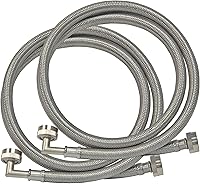
The Eastman hoses are a pair of 5 ft washing machine connectors with hot- and cold-water color coding and 90-degree elbows. They may suit a washer installation where those hose connections are appropriate.
The GE WH49X10042 is an agitator coupling kit for compatible GE washing machine models. It connects the transmission drive shaft to the agitator base, so check your model and manual before considering this part.
The Camco low-profile drain pan is designed for front-loading washing machines and sits under the washer to protect the floor from leaks. It isn't a loading aid, but it may be relevant when planning a front-load washer setup.
How do you load an impeller washer for a balanced wash?
For a balanced wash, spread items around the plate, leave room for movement, and check the manual for capacity limits. If the washer repeatedly bunches or signals an imbalance, pause it and redistribute the laundry before continuing.
Keep the goal simple: distribute the garments instead of packing the tub. For steps involving a different washer design, see how to use a manual washing machine.
Frequently asked questions
How do you load an impeller washing machine?
Place clothes loosely and evenly around the wash plate, with larger items spread around the tub. Leave room for movement, keep items off the plate's center when possible, and avoid packing the load tightly or winding clothes around the plate.
Check your washer manual for its load-size limit and item-specific directions.
Can you put clothes directly on an impeller?
Clothes sit in the tub around the impeller plate, but don't bunch them on top of its center or wrap them around it. Spread garments in a loose ring so the wash action can move them.
Follow your washer's manual, since designs and loading instructions can vary.
How full should an impeller washer be?
Use the washer's manual for its capacity limit, and leave enough open space for laundry to move during the cycle. A tightly packed tub can restrict movement; a very small load may also collect to one side.
Add or remove items, then redistribute them before starting.
Why does laundry bunch up in an impeller washer?
Laundry can bunch when bulky items or a small load collect on one side, or when garments are wrapped around the wash plate. Pause the cycle if needed, loosen the items, and spread them evenly around the tub.
Check the manual if the washer repeatedly tangles or goes off balance.