How to Use Vinegar in a Washing Machine
To use vinegar in a washing machine, check your washer manual and fabric care labels first. If both allow it, use plain white vinegar only as directed, and never mix it with bleach.
On this page (8 sections)
- Can you use vinegar in a washing machine?
- How do you use vinegar in a washing machine safely?
- What can vinegar help with, and what can't it replace?
- Can vinegar be used with detergent or bleach?
- Which fabrics should you keep away from vinegar?
- What if vinegar doesn't solve the washer problem?
- How can you reduce water damage around a washer?
- What should you do before trying vinegar?
To use vinegar in a washing machine, check your washer manual and fabric care labels first. If they allow it, use plain white vinegar only in the way and amount the appliance maker directs, and never mix it with bleach.
Vinegar is not a universal washer cleaner or fabric softener. Some manufacturers advise against it because repeated use may harm parts, and some fabrics may react poorly.
Can you use vinegar in a washing machine?
You can use vinegar only when your washer manual and fabric care labels say it is suitable. Check both before adding it, even if you've used vinegar in another machine.
Washer designs and materials vary. A general vinegar tip online can't tell you whether your model's seals, hoses, coatings, or dispenser are compatible.
If the manual doesn't mention vinegar, check the manufacturer's care guidance or contact support. For model-specific operating steps, see how to use a Whirlpool washing machine.
Use a washer cleaning product specifically approved for your machine if vinegar isn't recommended.
How a washer moves water and soil can help explain why cleaning advice differs by machine. See how a washing machine cleans clothes for a simple overview of the wash process.
How do you use vinegar in a washing machine safely?
Follow the manual's exact directions for whether to use vinegar, where to add it, and how much to use. Don't guess at a dose or pour it into a compartment based on another washer's design.
- Check the washer manual and the care labels on the items in the load.
- Confirm that plain white vinegar is allowed for both.
- Use only the compartment and amount specified by the washer maker.
- Choose a compatible cycle and run the washer as directed.
- Wipe the dispenser if the manual recommends it, and leave the door or lid open to dry if instructed.
If the instructions don't clearly permit vinegar, skip it. The manual also explains cycle choices; our washing machine cycles and settings guide covers what common settings are for.
Where should vinegar go in the washer?
Put vinegar only where the manual tells you to put it. Some dispensers are designed for specific products, so don't assume the fabric softener or detergent compartment is suitable.
Don't pour vinegar straight onto clothes unless both the washer guidance and fabric label allow that method. Concentrated contact may not suit every dye or material.
How much vinegar should you use?
Use only the amount stated in your washer's instructions. There isn't one safe amount that applies to every model or cleaning purpose.
More vinegar doesn't mean a cleaner washer. Avoid adding extra or repeating the treatment more often than the manual recommends.
What can vinegar help with, and what can't it replace?
Vinegar may be used for a washer task only when the appliance maker approves it. It doesn't replace proper detergent, washer maintenance, or a product made for a specific buildup.
Don't rely on vinegar to sanitize laundry or remove every odor, stain, or residue. For a washer that smells, check the manual's cleaning steps and inspect the dispenser, gasket, and drain area where applicable.
Laundry soil removal depends on water, detergent, agitation, and rinsing. If clothes still look dirty, review your loading and cycle choices before adding a household acid.
Can vinegar be used with detergent or bleach?
Never mix vinegar with bleach. Combining them can release harmful chlorine gas, so keep them separate and follow each product's directions.
Don't combine vinegar with other cleaners in the drum or dispenser. For a separate bleach routine, follow our guide on how to use bleach in a washing machine, and check the washer manual before using any cleaning product.
If vinegar is allowed for a particular load, don't assume it can be combined with detergent or softener. Use only combinations and compartments the washer maker approves.
Which fabrics should you keep away from vinegar?
Follow the garment care label before using vinegar on any fabric. For bedding care, see how to wash a comforter in a washing machine.
If the label says not to use it, leave it out of the wash.
Be careful with delicate materials, elastic, and dark or bright fabrics, since acid and dyes may not be compatible. When a label is unclear, choose a detergent and cycle recommended for that fabric instead.
Vinegar isn't a substitute for sorting clothes or using the right load size. For balanced washing, read how to load a washing machine without overloading it and can a washing machine be underloaded?.
What if vinegar doesn't solve the washer problem?
Stop using vinegar if the washer smells, leaks, or behaves differently after a cleaning routine. Check the manual's troubleshooting section and use a service professional when the machine needs repair.
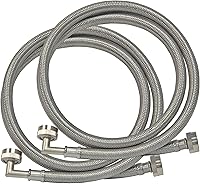
A leak can come from a hose connection or another part, not from the wash method. Eastman's 5 ft hose set includes a red hot-water hose and a blue cold-water hose, each with a 90-degree elbow.
Use the hose only if its connections match your washer and water supply, and follow the installation instructions. Don't keep running a leaking washer while you investigate.
If the washer won't agitate, vinegar isn't a fix for a mechanical fault. The GE WH49X10042 agitator coupling kit connects the transmission drive shaft to the agitator base on compatible GE models.
Check your washer's model and follow its owner's manual before choosing or installing a part. Stop and contact a repair professional if you're unsure about the cause or repair.
How can you reduce water damage around a washer?
Use the washer manual's setup and leak-check guidance, and address leaks promptly. A drain pan can help protect a floor from leaks, but it doesn't repair the source or replace regular checks.
The Camco low-profile drain pan is designed for front-loading washers and includes a PVC drain fitting, locknut, and washer. Measure the available space and confirm compatibility before choosing a pan.
Check the pan regularly for standing water, as Camco instructs. If water appears, shut off the supply if safe and find the leak before running another load.
What should you do before trying vinegar?
Confirm washer and fabric compatibility, then use the manual's instructions for any approved treatment. Skip vinegar if the guidance is unclear, and never combine it with bleach.
Use vinegar only when it fits the task and your washer's instructions. If the problem is a load issue, see how to load an impeller washing machine; if you're using a manual washer, follow how to use a manual washing machine for its specific steps.
For anyone deciding how to use vinegar in a washing machine, the safe rule is simple: follow appliance guidance and fabric labels before adding it. Choose an approved washer cleaner when vinegar isn't allowed, and address leaks or mechanical problems as repairs.
Frequently asked questions
Can you put vinegar in a washing machine?
Only if your washer manual and the care labels on the load allow it. Vinegar can affect some machine parts and fabrics, so check guidance first.
If approved, use plain white vinegar in the specified compartment and amount; never combine it with bleach or other cleaners.
Where do you put vinegar in a washing machine?
Use the dispenser only if your washer manual says vinegar is allowed there, and follow its directions for the amount. Don't pour it into a dispenser that the manual reserves for detergent or fabric softener, and don't add it to a load unless the fabric labels permit it.
Can vinegar damage a washing machine?
It can be unsuitable for some washers, especially if used repeatedly or contrary to the manual. Check the appliance maker's cleaning guidance before adding it, and use a washer cleaner or another approved method if vinegar isn't recommended.
Can you use vinegar and bleach together in a washer?
No. Never mix vinegar with bleach, either in the dispenser, drum, or a cleaning routine.
Choose one approved cleaning method, run it as directed, and follow the washer manual before using another product.