Can You Machine Wash a Weighted Blanket?
You can machine wash a weighted blanket only if its care label allows it and your washer can handle its weight when wet. Check the shell, filling, seams, and washer manual first; some blankets need spot cleaning or a commercial machine.
On this page (7 sections)
- Can you machine wash a weighted blanket?
- How do you check whether your washer can handle it?
- Which wash settings should you use?
- How should you dry a weighted blanket?
- When should you spot clean or use a laundromat?
- What washer supplies may help with laundry care?
- How can you decide whether to wash yours at home?
You can machine wash a weighted blanket only if its care label permits it and your washer can handle its weight when wet. Check the shell, filling, seams, and washer manual first; some blankets need spot cleaning or a larger commercial machine.
A weighted blanket can be much heavier and bulkier when wet than it is dry. Don't put it in the washer just because it fits through the door.
Can you machine wash a weighted blanket?
Yes, if the care label allows machine washing and the blanket fits loosely in a washer rated for its load. The label may call for a gentle cycle, cold water, or another specific method, so follow its directions.
Check the blanket for loose stitching, holes, leaking filling, or damaged ties. If the weight is shifting or beads are escaping, don't wash it in a machine; contact the manufacturer for care advice.
The filling and shell matter. Glass beads, plastic pellets, cotton, and other materials may have different care needs, and the blanket's label is the best guide for yours.
How do you check whether your washer can handle it?
Compare the blanket's dry weight and bulk with your washer's manual, and leave enough room for it to move. A washer that accepts the dry blanket may still be overloaded once the blanket absorbs water.
Check the washer manual for its maximum load and any restrictions on bulky items. For another washable item that needs a capacity check, see how to wash a backpack.
Don't estimate capacity from the drum's size alone, and don't force a blanket into a tight fit.
If the blanket fills the drum or presses against the glass, use a larger machine at a laundromat if its care instructions allow it. For other bulky bedding, see how to wash a comforter in a washing machine.
What if the washer stops or pauses?
A washer may pause when a bulky load is uneven or too heavy to balance. If that happens, follow the washer manual and redistribute or remove the load only when it's safe to do so.
Our guide to why your washing machine pauses during a wash cycle covers common pause causes and what to check.
Which wash settings should you use?
Use the temperature, cycle, and detergent directions on the blanket's care label. If it says machine washable but doesn't specify settings, check the manufacturer’s care instructions before starting.
A gentle or delicate cycle may suit some blankets, but it isn't right for every filling or shell. Avoid guessing about bleach, fabric softener, or a high spin speed; use them only if the care instructions permit them.
Add detergent as directed for the washer and load. Don't wash the blanket with items that could snag its cover or pull at its seams.
How should you wash a weighted blanket with removable covers?
Remove the cover and wash it separately if its label allows it. Keep the weighted inner blanket's care instructions separate from the cover's, since their fabrics and fillings may need different treatment.
Fasten zippers and closures before washing the cover. For other delicate items, follow our guide to how to wash bras.
How should you dry a weighted blanket?
Dry it exactly as the care label directs, and make sure the filling is fully dry before using it. Some blankets allow low-heat tumble drying; others require air drying.
If air drying, spread the blanket over a sturdy surface or line that can support its weight. Don't hang a heavy, wet blanket by one corner, since that can strain the fabric and seams.
Check that the center and any thick sections are dry, not just the surface. Damp filling can stay hidden inside and may cause odor or damage.
When should you spot clean or use a laundromat?
Spot clean when the label advises against machine washing, or when the blanket won't fit and move freely in your home washer. Use the cleaner and method recommended by the blanket's manufacturer.
A commercial washer may handle a larger load, but check its instructions and the blanket's label before using one. Stop if the blanket becomes too heavy to lift safely.
For other bulky items, our guides explain how to wash machine-washable rugs, how to wash a backpack in the washing machine, and how to wash shoes in a washing machine. Each item needs its own care-label and washer-capacity check.
What washer supplies may help with laundry care?
Laundry supplies won't make an oversized weighted blanket safe to wash, but a few washer parts can help with ordinary maintenance or protect the area around an appliance. Choose them for those specific jobs.
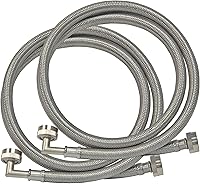
The Eastman 5 ft Washing Machine Hose Connectors include hot- and cold-water hoses with 90-degree elbows and braided stainless steel exteriors.
The GE WH49X10042 is an agitator coupling kit for compatible GE washers; check your washer model and follow its owner's manual before installing a part.
The Camco Low Profile Washing Machine Drain Pan sits under a front-loading washer to help protect the floor from leaks.
How can you decide whether to wash yours at home?
Wash at home only when the label allows it and your washer has room and capacity for the wet blanket. If either check fails, spot clean or choose a suitable larger machine.
Before washing, inspect the seams, confirm the filling is intact, and read both manuals. Follow the care label to pick the cycle and drying method, and stop if the load becomes unbalanced or too heavy to manage.
Frequently asked questions
Can you put a weighted blanket in a washing machine?
Sometimes. Check the blanket's care label and your washer manual, and make sure the blanket fits loosely with room to move.
Its dry weight alone doesn't show how heavy it will be when wet.
Use a laundromat's larger machine if your home washer can't handle it.
What washer size do you need for a weighted blanket?
There isn't one capacity that fits every weighted blanket because dimensions, filling, and washer design vary. Check the manual for the washer's load limit and compare it with the blanket's weight and bulk.
It should move freely without crowding the drum.
Can you machine wash a glass bead weighted blanket?
Only if the care label allows machine washing. Glass beads can add substantial weight, and stitching must keep the filling in place.
Check for damaged seams first, use the cycle and water temperature on the label, and stop if the blanket can't move freely.
How should you dry a weighted blanket after washing?
Follow the care label, since some weighted blankets allow low-heat tumble drying while others need air drying. Support the blanket so its weight doesn't pull on wet seams, and make sure the filling is fully dry before using or storing it.