How to Use a Whirlpool Washing Machine
To use a Whirlpool washing machine, load sorted clothes, add the right detergent, choose a cycle and options, then press Start. Check your model's owner manual for controls and settings that differ.
On this page (10 sections)
- How do you use a Whirlpool washing machine?
- How should you load and sort clothes?
- How much detergent should you add?
- Which cycle should you choose?
- How do you start and check a wash cycle?
- What should you check if the washer won't fill or drain?
- What if the washer agitator doesn't move?
- How can you protect the floor around a washer?
- How do you keep a Whirlpool washer fresh?
- How to use a Whirlpool washing machine for everyday laundry
To use a Whirlpool washing machine, load sorted clothes, add the right detergent, choose a cycle and options, then press Start. Controls vary by model, so check your owner's manual for the exact names and steps.
Start with the care labels and the washer's control panel. A few careful choices help you avoid overloading, excess suds, and a cycle that doesn't suit the load.
How do you use a Whirlpool washing machine?
Sort clothes, load them loosely, add detergent, select a cycle, and press Start. Close the lid or door fully, and check that the water supply is on if the washer doesn't begin.
- Separate items by color, fabric, and soil level.
- Check pockets and close zippers.
- Add clothes without packing them tightly.
- Put detergent in the labeled dispenser, if your model has one.
- Choose a cycle and any needed options.
- Close the lid or door and press Start or Start/Pause.
The control names and order can vary across Whirlpool models. Use the manual if your washer has a dial, touch panel, or special option you don't recognize.
How should you load and sort clothes?
Sort laundry by color, fabric, and care instructions, then leave room for clothes to move. A tightly packed load may not wash or rinse well.
Wash whites, darks, and colors separately when dye transfer is a concern. Keep delicate items apart from heavy towels or jeans, and check garment labels before choosing water temperature or spin settings.
Load a top-load washer evenly around the agitator or wash plate, if it has one. For a front-load model, distribute items around the drum and avoid wedging clothes against the door.
The right amount depends on the washer and fabric. Our guide to how to load a washing machine without overloading it explains how to judge a load by the space clothes need to move.
How much detergent should you add?
Use detergent made for your washer and follow the detergent label and Whirlpool manual. More detergent doesn't necessarily clean better and can leave residue or excess suds.
If the washer has a dispenser, use the compartment marked for detergent. Add fabric softener or other laundry additives only to the labeled compartment, and don't exceed its fill line.
Some Whirlpool models are high-efficiency washers, which need detergent marked HE. Check the control panel or manual before choosing detergent, since requirements can vary by model.
Which cycle should you choose?
Match the cycle to the fabric and soil level. A normal or everyday cycle works for many routine loads, while delicate fabrics may need a gentler wash.
Cycle names differ, but common choices include normal, quick, bulky, and delicate. Some models offer extra rinse, water temperature, soil level, or spin options.
Choose only options that suit the clothing and care labels.
For a plain-language overview of washing machine cycles and settings, see our cycle guide. It can help you understand what a setting is meant to do before selecting it.
How to use Whirlpool washing machine settings for steam
Use a steam option only if your Whirlpool model has one and the manual explains when to choose it. Steam functions and their purpose vary by washer.
Some models may offer a steam setting with certain cycles. Check the manual for load limits, compatible cycles, and any precautions before using it.
For a closer look at what hygiene steam is in a washing machine, read our explainer. You can also learn what steam does in a washer before deciding whether the feature suits your laundry routine.
How do you start and check a wash cycle?
After choosing the cycle and options, close the lid or door and press Start. The washer may pause briefly as it senses the load or fills with water.
If the washer doesn't start, confirm that the door or lid is fully shut. Check that the controls aren't locked and the water supply is on, then consult the manual if a warning light or code appears.
Wait for the cycle to finish before opening the washer. Remove damp clothes promptly, and follow the manual's care steps for the drum and dispenser.
What should you check if the washer won't fill or drain?
Check the water supply and drain setup first, then consult the manual before moving or servicing the washer. Turn off the washer if you see a leak, and avoid reaching behind it while it's connected to power.
The hot and cold supply valves should be open for the connections your washer uses. Inspect visible hoses for kinks or signs of leaking, but don't disconnect them while the water is on.
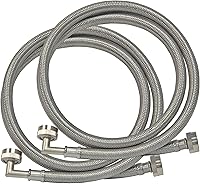
The Eastman 5 ft Washing Machine Hose Connectors have hot and cold color coding, 90-degree elbows, and 3/4 in FHT connections.
Check your washer's manual and connection requirements before choosing replacement hoses. If you're unsure about a leaking or damaged line, contact a qualified repair professional.
A drain hose that's kinked or positioned incorrectly may affect draining. Follow the washer manual for the correct placement and height, and don't push the hose into a drain so far that it seals the opening.
What if the washer agitator doesn't move?
Stop the cycle and check the owner's manual if the agitator doesn't move as expected. Don't open the washer or attempt a repair while it's plugged in.
A washer can make different movements depending on its cycle, so first confirm that the selected program uses agitation. If the problem continues, look up the model's troubleshooting steps or contact Whirlpool support.
The GE WH49X10042 Agitator Coupling Kit is a replacement part for various GE washer models. It connects the transmission drive shaft to the agitator base, and its compatibility is specific to those GE models.
This part isn't a general Whirlpool accessory. Check the washer's brand and exact model, and follow the owner's manual or a qualified technician's guidance before replacing any component.
How can you protect the floor around a washer?
Use the installation setup recommended for your washer and check the area for leaks. A drain pan may help protect a floor if water escapes, but it doesn't replace correct connections or repairs.
The Camco Low Profile Washing Machine Drain Pan is made for front-loading washers. It measures 31 x 35 in on the outside, stands 1.6 in tall, and includes a PVC drain fitting, locknut, and washer.
Confirm the pan dimensions and drain setup fit your space before installation. Check underneath it regularly for standing water, and address the source of any leak.
How do you keep a Whirlpool washer fresh?
Unload clothes promptly and follow the model's cleaning instructions. Wipe moisture from the door seal on a front-load washer, and leave the door or lid ajar if the manual allows it.
Clean the dispenser and washer interior as directed. If your model has a cleaning cycle, use it at the recommended interval and with the specified cleaner.
For help choosing a cleaner, see our guide to washing machine mold and mildew cleaners. If you want the washer raised, measure the machine and available space before comparing washing machine pedestals.
How to use a Whirlpool washing machine for everyday laundry
For most loads, sort by fabric and color, keep the load loose, use the right detergent, and choose a matching cycle. Follow the manual for model-specific controls, settings, and maintenance.
If you're comparing washer routines, our guide on how to use a Miele washing machine shows how another brand's controls and cycle choices can differ. Use your Whirlpool model's manual as the final reference for its settings.
Frequently asked questions
How do you start a Whirlpool washing machine?
Load clothes loosely, add detergent as directed, close the lid or door, and select a cycle and any needed options. Press Start or Start/Pause, following your model's manual if the controls differ.
If the washer doesn't begin, check that the door or lid is fully closed and the water supply is on.
Where do you put detergent in a Whirlpool washer?
Use the detergent dispenser if your Whirlpool model has one, and follow its labels for detergent and any additives. If there is no dispenser, check the manual for when to add detergent.
Use only the amount and type recommended for your washer and detergent.
What cycle should I use on a Whirlpool washer?
Choose a cycle based on the fabric, soil level, and care label. A normal cycle suits many everyday loads, while delicate items may need a gentler cycle.
Cycle names and options vary by model, so use the owner's manual when a setting is unfamiliar.
Should you leave a Whirlpool washer door open after a cycle?
After unloading, leave the door or lid ajar if your manual allows it, so the interior can dry. Wipe moisture from the seal on a front-load model and remove damp clothes promptly.
Follow any model-specific care instructions, especially if the washer has a cleaning or ventilation feature.