Permanent Press Cycle: What It Does for Your Clothes
On this page (17 sections)
- How Permanent Press Helps Manage Wrinkles
- What the Name Does and Doesn’t Mean
- Which Clothes May Suit the Cycle
- Why It Isn’t the Same as Delicates
- How It Differs From Normal Washing
- Compare Wrinkle Care and Gentle Care
- Check Temperature Instead of Assuming Warm
- Choose a Compatible Final Spin
- Sort and Prepare Shirts Before Loading
- Keep the Load Loose Rather Than Packed
- Measure Detergent Without Adding a Wrinkle Fix
- Unload Before Damp Folds Settle In
- Keep Washer and Dryer Permanent Press Separate
- A Six-Point Permanent Press Checklist
- What to Check When Clothes Still Look Creased
- Conclusion
- Frequently Asked Questions
The Permanent Press cycle is designed to wash suitable easy-care clothing while helping limit wrinkles. Its combination of washing, rinsing and spinning varies by model, so it isn’t one fixed temperature or speed shared by every washer.
You may see a related program named Casual, Easy Care or Wrinkle Control. Check your manual before treating those names as exact matches, and let each garment’s care label decide whether the cycle is appropriate.
- Permanent Press aims at wrinkle management, not making every garment wrinkle-free.
- It isn’t automatically as gentle as Delicates or a hand-washing method.
- Some machines change cooling, rinsing or spinning to help reduce creasing.
- Loose loading and prompt unloading matter as much as choosing the program.
- The washer and dryer can both have Permanent Press settings, but they do different jobs.
If you keep finding creases in washable work shirts, this cycle is worth understanding. Start with the clothes you want to wash, then use the controls and unloading habits that suit them.
How Permanent Press Helps Manage Wrinkles
Permanent Press uses a routine intended for compatible wrinkle-prone or easy-care clothing. It can change parts of the wash, rinse or final spin rather than simply shortening a Normal cycle.
Whirlpool describes wrinkle-focused routines that include cooling or gentler spinning, but its descriptions differ across machines. That is a reason to use the model guide rather than copy one temperature or speed from a general article.
The goal is to reduce unnecessary creasing during washing. The program cannot repair damaged fibers, reverse an unsuitable wash or guarantee that a shirt never needs ironing.
What the Name Does and Doesn’t Mean
Permanent Press is a cycle name associated with easy-care clothing and wrinkle control. It doesn’t apply a permanent chemical finish to your laundry.
A shirt labeled permanent press may already have a fabric finish or construction intended to reduce wrinkling. The washer’s role is to clean it using compatible care, not create that property.
Don’t read the name as permission to wash the garment forever without checking its label. Finishes, trims and the finished item’s care needs can vary even between two similar-looking shirts.
Which Clothes May Suit the Cycle
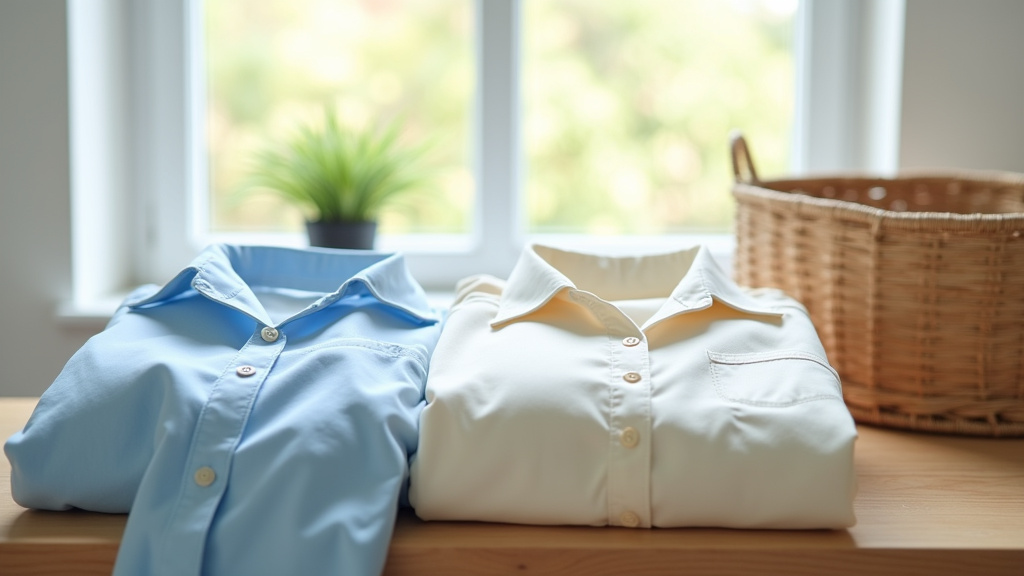
Machine-washable easy-care shirts, some synthetic blends and similar casual clothing may suit Permanent Press. The label and the cycle guide must agree with that choice.
Sort by care requirements as well as color. A light blouse shouldn’t be bundled with rough, heavy clothing merely because both items are worn to work.
Pay attention to decorations, thin seams and elastic panels. Those details can make Delicates or another care method more appropriate than a wrinkle-focused program.
Consider a plain polyester work shirt next to a beaded blouse. Both may wrinkle, but the blouse’s decoration introduces another care need, so the two items shouldn’t automatically share a Permanent Press load.
Why It Isn’t the Same as Delicates
Delicates mainly reduces mechanical stress for suitable fragile laundry. Permanent Press mainly addresses the care needs of compatible easy-care or wrinkle-prone clothing.
The two routines can share some features without being interchangeable. A lower final spin doesn’t tell you how much movement happened during the wash.
If a garment says gentle machine wash, check whether your cycle guide assigns that instruction to Delicates. Don’t choose Permanent Press just because its name sounds like protection against every kind of damage.
How It Differs From Normal Washing
Normal is typically an everyday washing routine, while Permanent Press is aimed at a different fabric-care need. Their exact movement, temperature and spin differences depend on the appliance.
For a compatible plain T-shirt, either may be allowed, but the result can differ. Compare the garment instructions with each program’s description before changing your routine.
If creasing is the only problem, also check loading and unloading. Switching the cycle while leaving shirts compressed in a damp pile may not solve much.
Compare Wrinkle Care and Gentle Care
The following choices overlap in some uses, but their main purposes differ. This is a decision guide, not a promise about your machine’s exact program.
| Choice | Main reason to consider it | What still needs checking |
|---|---|---|
| Permanent Press | Compatible easy-care or wrinkle-prone clothing | Cycle details and garment label |
| Normal | Everyday compatible laundry | Temperature and mechanical-care limits |
| Delicates | Gentle machine-wash needs | Whether machine washing is allowed |
| Hand washing | Items directed to be hand washed | Product and garment instructions |
| Professional care | Items requiring specialist cleaning | The exact care label and cleaner’s advice |
Check Temperature Instead of Assuming Warm
Some Permanent Press routines use warm washing or a cooling stage, but that isn’t a universal temperature rule. Read the selected temperature on your own washer.
Use a cooler permitted option when the garment requires it, and don’t exceed the label’s maximum. A wrinkle-focused cycle cannot protect a heat-sensitive item from water that is too hot.
Cold water alone also doesn’t guarantee wrinkle control. Fabric construction, loading, spinning and what happens after the wash all contribute to the final condition.
Choose a Compatible Final Spin
The washer spin cycle removes water and can leave laundry compressed against the drum. A lower allowed speed may be helpful for certain crease-prone items, with more moisture left to dry afterward.
Use the preset as a starting point unless the care label or manual directs a change. Don’t force a higher speed just to match the drying time of a towel load.
If a compatible shirt creases mainly after spinning, note the selected speed before the next wash. A permitted lower setting gives you a useful comparison without changing the detergent and temperature at the same time.
If the washer doesn’t offer a spin adjustment on that program, don’t invent a button sequence. Its cycle guide should explain what is fixed and which alternatives are permitted.
Sort and Prepare Shirts Before Loading
Group items that share washing and drying needs. Empty pockets, check closures and follow garment-specific preparation directions before the clothes go into the drum.
Separate rough or lint-shedding items from smooth work shirts. A wrinkle-control setting cannot stop every snag or remove lint caused by an unsuitable mixture.
Inspect cuffs and collars for localized marks. Treat those areas using a suitable product instead of exposing the entire load to an unnecessarily forceful routine.
Keep the Load Loose Rather Than Packed
Garments need room to move and rinse. A compressed load is more likely to emerge tangled, folded together or unevenly rinsed.
Load according to your machine’s instructions, not a fixed number of shirts from someone else’s washer. Fabric thickness and drum design change how a load behaves.
If you have a whole week’s office clothing, split the wash when needed. A cycle designed for wrinkle management still has to work with the physical space available.

Measure Detergent Without Adding a Wrinkle Fix
Use the correct detergent type and measured dose for the load. Extra detergent isn’t a wrinkle treatment and can create rinsing problems.
Follow the fabric and product instructions before adding softener or other additives. Not every finish or performance fabric is meant to receive the same laundry products.
Keep the routine simple while troubleshooting. If you change the cycle, dose and several additives together, you won’t know which change helped or caused a new problem.
Unload Before Damp Folds Settle In
Prompt unloading is a practical part of wrinkle care. Clothes left compressed in the drum can retain folds even after an appropriate cycle.
Take out one item at a time and arrange it for its permitted drying method. Smooth it gently rather than tugging hard on wet seams or stretching the garment.
If a delay is unavoidable, check whether your machine has an approved post-cycle tumble option. That feature has limits and doesn’t remove the need to unload and dry the laundry.
Choose a wash start time that fits your day. A cycle ending when you can empty the drum is often more useful than one finishing while you are away for hours.
Keep hangers or the drying rack ready before the cycle ends. Finding them afterward can turn a quick unloading task into another delay with the shirts sitting together in a damp basket.
Keep Washer and Dryer Permanent Press Separate
The washer program washes and spins. A dryer program of the same name controls drying heat, tumbling and possibly a cool-down period.
One doesn’t automatically select the other, and permission to machine wash doesn’t prove that tumble drying is safe. Read the drying instruction before transferring the load.
A shirt needing line drying should be treated that way even if the dryer has a wrinkle-control button. Avoid overdrying permitted tumble-dry garments, and remove them when the cycle and care directions call for it.
The videos show examples of finding cycle and spin controls. They don’t demonstrate a universal Permanent Press routine, and their regional or model-specific settings may differ from yours.
A Six-Point Permanent Press Checklist
Before your next load of easy-care clothing, check these details. The cycle works as part of a complete routine, not as a substitute for preparation.
- Confirm the garments allow the chosen machine-wash method.
- Check what Permanent Press or Casual means on your model.
- Separate fragile, rough and incompatible color groups.
- Load loosely and measure the correct detergent.
- Confirm permitted temperature and spin settings.
- Be ready to unload and dry the garments as directed.
For shared washers, review the settings even if you used the same dial position last time. Another person may have changed the temperature or selected an additional option.
What to Check When Clothes Still Look Creased
Start with the load size, delay before unloading and drying method. These are easier to correct than guessing a new combination of every washer setting.
Inspect whether the creases are new or were already set into the garment. A washing program may not remove an old fold that needs label-approved ironing or steaming.
Try one reasonable change on a small compatible load, such as loading fewer shirts. Keep the temperature and detergent appropriate so the comparison tells you something useful.
If the fabric is distorted, stretched or shrunk rather than simply wrinkled, stop repeating the same treatment. Recheck its care instructions and seek garment-care advice before another wash.
Conclusion
Permanent Press is a useful wrinkle-care choice for suitable washable clothing, but its exact routine depends on your washer. It is not a permanent finish, a universal delicate cycle or a guarantee that ironing will never be needed.
Start with the garment label, check your model’s instructions and leave the load room to move. Use a compatible temperature and spin, then unload promptly and follow the drying directions. If wrinkles remain, look at the whole routine before increasing heat or switching every setting. Better preparation and timely unloading may be the missing steps.
Frequently Asked Questions
Is Casual the same as Permanent Press?
It can serve a similar purpose on some washers. Check your manual because cycle names and routines differ across models.
Can I wash cotton on Permanent Press?
Some machine-washable cotton garments can use it if their labels allow the settings. Cotton content alone doesn’t decide care for the finished item.
Does Permanent Press shrink clothes?
The name doesn’t guarantee protection from shrinkage. Incorrect temperature, unsuitable movement or the wrong drying method can still damage a garment.
Should I use it for towels?
Use the towel label and your washer’s guidance. Normal or a dedicated Towels cycle may suit the load better than a wrinkle-focused program.
What if my washer has no Permanent Press cycle?
Look for a manual description of Casual, Easy Care or another suitable program. Don’t assume Delicates or Quick Wash is an exact replacement.


