How a Washer Spin Cycle Extracts Water from Your Clothes
On this page (14 sections)
- Fast Rotation Separates Liquid from the Laundry
- The Outer Tub and Drain System Finish the Job
- Drain, Rinse, Spin, and Dry Are Different Jobs
- Why the Washer Starts Slowly Before Spinning Fast
- Why Spin Speed Is a Fabric-care Choice
- Why a Completed Load Is Still Damp
- Why a Washer-dryer Combo Can Have Another Stage
- Check the Selected Settings Before Suspecting a Fault
- Watch for Drainage and Suds Clues
- Use This Six-point Wet-load Check
- Stop for Unsafe Movement or Other Warning Signs
- Describe the Result Before Naming a Failed Part
- Conclusion
- Frequently Asked Questions
A washing machine’s spin cycle rotates the clothes basket quickly so liquid moves out through its holes into the outer tub. The surrounding outer tub collects that water, and the drainage system carries it away from the washer.
This is water extraction, not heated drying. Clothing normally remains damp afterward because spinning removes much of the free liquid but doesn’t evaporate all the moisture held within the fabric.
- The inner basket holds the clothes and lets water pass through.
- The outer tub catches the extracted water.
- The drain pump and hose must also work for extraction to finish properly.
- The washer may redistribute clothing before reaching full spin speed.
- Fabric care and cycle settings can intentionally limit the final spin.
If your clothes seem wetter than usual, the spin speed is only one clue. Understanding the whole route from fabric to drain helps you tell normal dampness from a loading problem, a selected setting, or a fault that needs service.
Fast Rotation Separates Liquid from the Laundry
During a fast spin, clothing is held against the basket while liquid can pass through its perforations. That removes water without requiring the washer to squeeze each garment by hand.
The process depends on rotation, a path through the basket, and a way to drain the collected water. If one of those parts of the process is missing, the load may remain much wetter.
It also explains why a fast spin sounds and looks different from washing. The goal has changed from moving fabric through cleaning solution to extracting liquid from it.
Why Clothes Stay Against the Basket
At washing speed, clothing can lift and fall or move around the wash mechanism. At spin speed, the rotating basket keeps the load moving in a circle against its wall.
Water is less confined than the garments and can travel through the small openings. The clothing stays inside because it is much larger than those openings.
This is a plain-language description of the movement, not a reason to touch the basket while it turns. The lock must remain intact and engaged whenever the washer requires it.
Why the Basket Has Holes
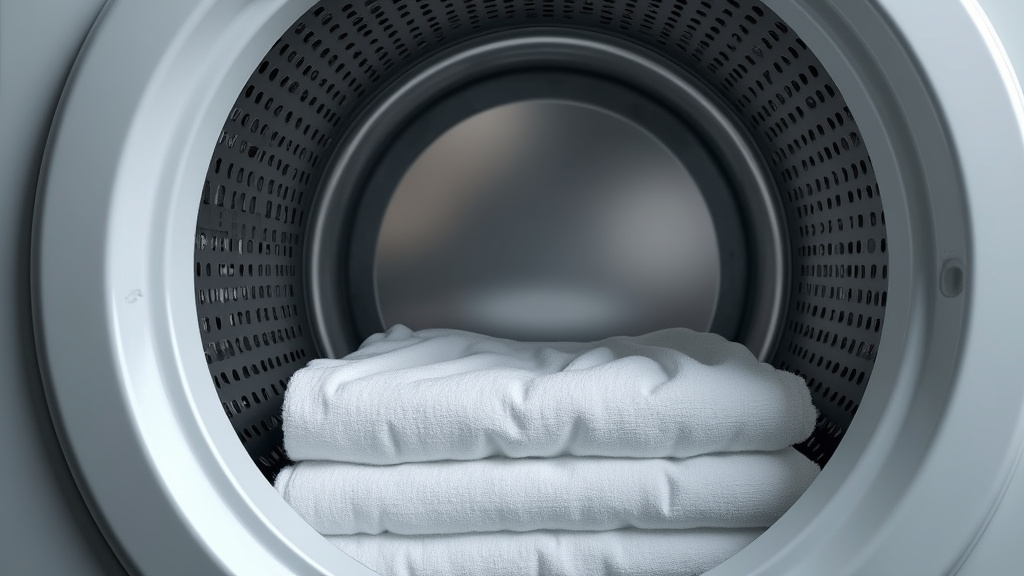
The perforations let water travel between the clothes-holding basket and the surrounding tub. They are part of the normal design, not leaks in a container that should be sealed.
During extraction, liquid leaving the fabric can move outward through those openings. The surrounding tub gives it somewhere to collect before drainage.
A shiny inner drum isn’t the entire water container. That distinction helps explain why the washer can keep water inside its cabinet even though the surface you see has many holes.
The Outer Tub and Drain System Finish the Job
Extracted water must leave the machine, not just leave the clothing. The outer tub receives it, and the drain path carries it away according to the washer’s sequence.
A drainage restriction can interfere with the finished result even when the drum can turn. Some machines limit or delay spinning when water hasn’t drained as expected.
LG’s wet-clothes troubleshooting separates drain restrictions from uneven loads for this reason. A dripping load doesn’t identify one failed part by itself.
Drain, Rinse, Spin, and Dry Are Different Jobs
These steps can overlap or repeat within a program, but they aren’t interchangeable. Choosing the wrong standalone cycle can leave the original need unmet.
| Stage | Main action | What it doesn’t do alone |
|---|---|---|
| Drain | Moves water out of the tub | Extract all liquid held in fabric |
| Rinse | Uses fresh water to carry away wash solution | Leave clothes dry |
| Spin | Extracts liquid through rapid basket rotation | Replace detergent and washing action |
| Dry | Removes remaining moisture by drying | Replace a needed wash or rinse |
A program named Drain and Spin normally addresses free water and extraction, but exact controls vary. Read the manual before assuming a button has the same behavior as one on a previous washer.
Why the Washer Starts Slowly Before Spinning Fast
Slower movement can help distribute the load before the basket accelerates. The machine needs a reasonably balanced arrangement to spin without excessive movement.
You may see several attempts before a faster stage begins. A Bulky or Bedding cycle may use a different balancing routine for approved large items. A bulky piece folded on one side can be harder to arrange than a loose group of compatible garments.
LG describes repeated balancing as one reason a spin stage takes longer. That doesn’t prove a fault, but it can explain why an uneven load finishes late or wetter than expected.
Why One Heavy Item Can Delay Extraction
A single heavy item can collect on one side of the basket. As speed rises, that uneven distribution can create movement the washer tries to control.
The washer may slow down, retry, or limit the final speed. A large drum doesn’t prevent this just because there is plenty of empty space around the item.
If the machine requests rebalancing, use its pause procedure and wait for the lock to release. Rearrange only as instructed, and don’t automatically add incompatible items merely to make the basket look fuller.
Why Spin Speed Is a Fabric-care Choice
Higher permitted speeds can remove more moisture from some loads, but the highest option isn’t right for every fabric. Delicate items may need gentler handling and a lower spin.
Start with the care label and the chosen cycle’s instructions. A Permanent Press cycle may use a gentler spin for suitable clothing. The washer may restrict available speeds because the program is intended for a particular kind of load.
Don’t override that logic just to shorten drying. A garment that calls for special treatment needs that treatment even if it comes out wetter than ordinary cotton laundry.
Why a Completed Load Is Still Damp
Spinning removes liquid mechanically, but fabric still retains moisture. Normal dampness after extraction isn’t the same as a failed drying cycle.
Towel fibers, thick seams, waistbands, and layered fabric can feel wetter than a thin shirt after the same program. Comparing different materials by touch can be misleading.
Use your normal result with a comparable load as context. A sudden change toward dripping clothes, especially with an error or unfinished cycle, deserves a closer check.

Why a Washer-dryer Combo Can Have Another Stage
A combination appliance can wash and dry, but extraction and drying are still separate processes. Finishing the spin doesn’t necessarily mean the selected drying program has run.
Check whether drying was chosen and whether the load meets the appliance’s drying limit. That limit may differ from the amount the machine can wash.
Don’t apply a standalone washer’s expected end result to every combo program. The display and manual tell you which stages were requested and whether the full program completed.
Check the Selected Settings Before Suspecting a Fault
A low-spin or no-spin choice can leave more water in the fabric by design. Some programs also pause with water held in the tub until you choose the next action.
Read the actual setting names on your model and check whether an option was retained from a previous wash. Don’t assume the familiar cycle name guarantees the same final spin every time.
If the clothing permits another extraction, use the approved standalone function. A spin-only cycle won’t remove detergent residue that still needs rinsing.
Watch for Drainage and Suds Clues
Standing water, a drain error, or a recurring wet load can point toward a drainage concern. Excess foam can also interfere with normal operation on machines that detect or respond to it.
Check detergent type and dose, and follow the manual’s external troubleshooting steps. Don’t open a pump filter or disconnect hoses casually, since retained water may be hot and can escape quickly.
If a maintenance procedure is assigned to owners, follow its full safety instructions for power, cooling, and water control. Otherwise, leave that work to a qualified service provider.
Use This Six-point Wet-load Check
Before running another cycle, separate a setting issue from a load or drainage issue. A short check can prevent unnecessary rewashing.
- Confirm that the selected program actually finished.
- Read any error code before clearing the display.
- Check whether low spin, no spin, or rinse hold was selected.
- Look for one bundled item or an overloaded basket.
- Note visible standing water or unusual foam.
- Use only the manual’s suitable next cycle or service guidance.
Keep the fabric’s care requirements in mind throughout. Getting a delicate garment drier is not a reason to apply a speed the label or washer program advises against.
Stop for Unsafe Movement or Other Warning Signs
Severe banging, the washer moving across the floor, leaking, smoke, or a burning smell isn’t a normal extraction result. Stop the washer with its normal controls if safe, and seek appropriate help.
Never hold a moving washer in place or reach into its basket. Don’t defeat the lock to check whether the drain and spin are working together.
If water is near electrical connections, keep away and arrange safe isolation by someone qualified. A wet-load problem should not become an electrical or lifting hazard during diagnosis.
Describe the Result Before Naming a Failed Part
A useful report says when the wetness began, which cycle ran, and what the display showed. Mention whether the washer drained, accelerated, retried, or stopped early.
Include the model and the type of load, especially if only bedding or single heavy items cause trouble. These details help distinguish a repeat loading problem from a broader machine issue.
A dripping load doesn’t prove the motor, pump, or control is broken. The full sequence matters, and support can guide the next safe check using the correct model information.
Conclusion
The spin cycle removes water by rotating the clothes basket quickly and letting liquid pass through its holes. The outer tub and drain system must then carry that water away.
Normal dampness remains because spinning isn’t heated drying. Load balance, fabric type, selected speed, and drainage all influence how wet the finished laundry feels.
If a load is unusually wet, first check completion, settings, and any error message. Use the manual’s safe next step rather than repeatedly choosing maximum spin, and stop for severe movement, leaks, or other warning signs that call for service.
Frequently Asked Questions
Does the spin cycle clean dirty clothes?
Its main job is water extraction, not washing away soil with detergent. Dirty clothing normally needs an appropriate wash program, and clothing with leftover detergent may need a suitable rinse before final extraction.
Why does the machine slow down and try again?
It may be redistributing an uneven load before attempting a faster spin. Repeated attempts can lengthen the cycle, so check the model’s guidance if the same load type regularly causes trouble.
Will another spin always shorten drying time?
It can help some suitable loads, but it isn’t guaranteed and must respect fabric care. If drainage or balance is the real problem, repeating the same spin may leave the result unchanged.
Why are towels wetter than shirts after spinning?
Different fabrics and thicknesses retain different amounts of moisture. Compare similar loads when judging a change, and investigate a sudden dripping result rather than expecting every fabric to feel equally dry.
Can I open the lid as soon as spinning stops?
Wait until the machine releases its lock through the normal procedure. A basket can still be slowing down after the motor sound changes, and forcing the lid or door can create a hazard.


