Delicate vs. Hand Wash Cycle: Choosing Gentle Fabric Care
On this page (17 sections)
- How Gentle Programs Differ From Hand Washing
- Let the Garment’s Care Label Decide First
- When the Delicate Cycle Is a Good Candidate
- When a Machine Hand Wash Program May Be Allowed
- Compare the Three Care Methods
- Choose Temperature Without Assuming Every Gentle Cycle Is Cold
- Understand the Final Spin Trade-Off
- Use Mesh Bags for Suitable Small Items
- Keep Gentle Loads Small and Compatible
- Choose Detergent for Both the Fabric and Washer
- Give Wool Its Own Decision
- Know When Neither Machine Cycle Is Appropriate
- Follow This Six-Point Gentle-Wash Checklist
- Handle the Wet Laundry Without Stretching It
- Evaluate Cleanliness Without Increasing Force Blindly
- Conclusion
- Frequently Asked Questions
A Delicate cycle gently machine-washes suitable fragile clothing, while a Hand Wash cycle may use even milder movement and a slower or reduced spin. The exact difference depends on the washer, and neither name cancels the garment’s care instructions.
Most importantly, a machine’s Hand Wash button is not the same as washing by hand. If a label says hand wash only, follow that direction unless the garment maker clearly permits your machine’s program.
- Delicates usually serves clothes labeled for gentle machine washing.
- A Hand Wash program can combine short movements and pauses, depending on the model.
- Some washers combine the two names into one cycle rather than offering separate routines.
- Mesh bags help contain suitable small items but don’t make every garment machine safe.
- Drying instructions matter just as much as the wash, especially for wet knitwear.
The safest decision starts with the garment, then the program description. Once you separate those two sources of guidance, it becomes easier to avoid an expensive experiment with a favorite sweater or blouse.
How Gentle Programs Differ From Hand Washing
Both Delicate and machine Hand Wash programs automate a washing routine. Real hand washing lets you control each movement and handle a vulnerable area without putting it through a drum.
Whirlpool describes its Hand Wash routines as potentially using less movement or spinning than Delicates. That comparison is useful, but the exact routine belongs to the specific model.
Don’t translate the gentlest-sounding control into permission to wash everything. A garment can be too fragile for any machine routine, even when the washer offers several fabric-care choices.
Let the Garment’s Care Label Decide First
Check whether the label permits machine washing, asks for hand washing or requires another care method. Then read any temperature, drying and bleaching restrictions.
The FTC’s fabric-care symbol chart distinguishes gentle machine washing from hand washing. They aren’t simply two names for the same instruction.
If the label is missing, avoid making a confident decision from the fiber name alone. Garment construction, dyes, trims and linings may be more vulnerable than the main fabric suggests.
A silk fiber label, for example, doesn’t explain whether the blouse has a washable dye or a water-sensitive decoration. Treat uncertainty about the finished item as a reason to seek care advice, not as a reason to try the mildest button.
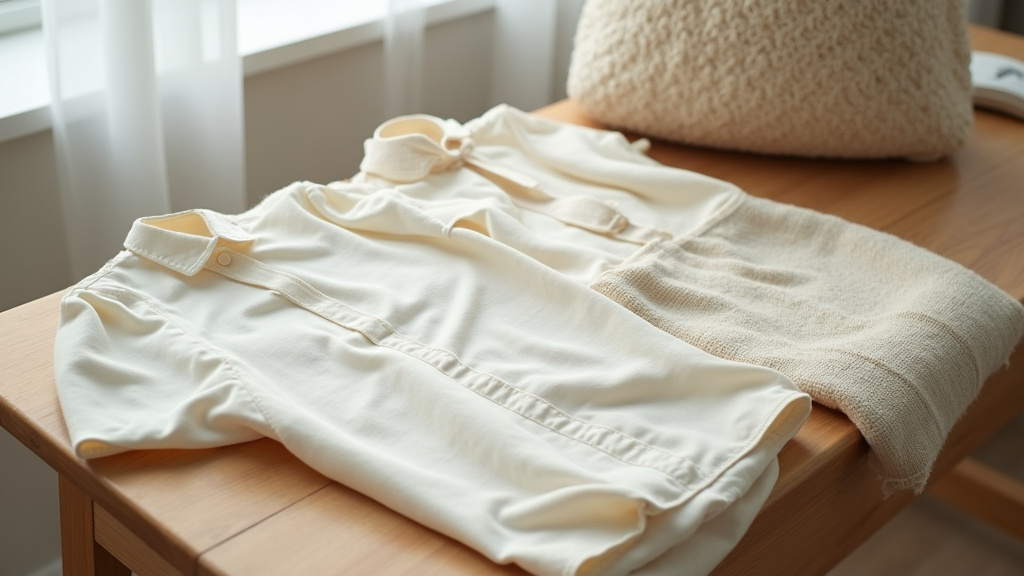
When the Delicate Cycle Is a Good Candidate
Delicates is a candidate for items that permit gentle machine washing. These may include some lingerie, thin blouses or other light garments, depending on their labels.
It commonly reduces washing movement and final spinning compared with a stronger everyday routine. It may also have a different fill pattern, but you shouldn’t assume a particular water depth.
A cold-water requirement is only part of the decision. Running Normal with cold water doesn’t necessarily give the same mechanical care as a Delicate program.
When a Machine Hand Wash Program May Be Allowed
A machine Hand Wash program may be allowed when the garment maker permits that treatment and the washer’s guide identifies a suitable routine. Read both instructions rather than relying on the cycle name alone.
Some washers alternate gentle movement with longer pauses. Others combine Hand Wash and Delicate into one program, which means there is no separate milder choice to select.
For an item marked hand wash only without further permission, wash it by hand as directed. The machine’s marketing label doesn’t change the garment maker’s care limit.
Compare the Three Care Methods
This table separates the method from its intended use. It deliberately avoids universal spin speeds or cycle times because those are model dependent.
| Method | Possible use | Main limit |
|---|---|---|
| Delicate cycle | Items allowing gentle machine washing | Still includes machine movement |
| Machine Hand Wash | Garments permitted on that program | Name does not override hand-wash-only care |
| Actual hand washing | Items directed to be hand washed | Requires the correct handling and product |
| Professional care | Items requiring specialist treatment | Home washing may be unsuitable |
Choose Temperature Without Assuming Every Gentle Cycle Is Cold
Check the selected temperature before Start. A program may have adjustable settings or may remember a warmer choice from the last load.
Stay within the care label’s limit and use a detergent suitable for the fabric and wash conditions. Don’t raise heat to compensate for reduced movement.
For hand washing, follow the garment or fabric authority’s directions rather than guessing from the washer’s Cold label. A sink routine and a machine setting aren’t measured in the same way.
Understand the Final Spin Trade-Off
A gentle program may leave laundry wetter because it uses a slower spin or less spinning. That can be intentional fabric care rather than poor performance.
Don’t immediately rerun the wet load on a maximum-speed spin. Check whether the garment allows it and whether the machine offers a compatible lower setting.
Prepare a drying method that can handle the remaining moisture. Supporting a wet item is often safer than pulling it from the drum by one sleeve or strap.
Use Mesh Bags for Suitable Small Items
A mesh bag can help contain suitable lingerie or other small machine-washable pieces and reduce contact with neighboring items. Choose an appropriate bag and avoid stuffing it tightly.
The bag doesn’t remove wash movement, water exposure or heat. It cannot turn a dry-clean-only item into washable clothing or override hand-wash-only instructions.
Fasten hooks and other closures as the garment maker directs. Check that the bag itself is intact so loose fabric isn’t trapped in a damaged zipper or torn mesh.
Keep Gentle Loads Small and Compatible
Follow the cycle’s load guidance, which may be lower than the washer’s general capacity. Delicate care needs room for water and fabric to move as intended.
Keep rough towels, heavy denim and exposed hard fasteners out of a fragile-clothing load. A gentle program doesn’t erase physical contact between garments.
Sort by color as well as care needs. A new dark item that releases dye can still mark a pale blouse during a mild cycle.
A small load doesn’t mean a bag packed tightly with many tiny pieces. Leave each suitable bag room for water to pass through, and distribute bags as the washer instructions direct rather than creating one dense bundle.
Choose Detergent for Both the Fabric and Washer
Use a product that suits the garment and the machine, including HE compatibility when required. Delicate fabric care and low-sudsing machine care are separate requirements.
Measure for the small load using the product directions. Too much detergent can make rinsing harder, and a gentle program isn’t a reason to pour an unmeasured amount.
Special fibers may need a dedicated product. Follow the garment maker’s guidance instead of assuming every detergent described as gentle is suitable for every fabric.
Give Wool Its Own Decision
Some wool garments allow machine washing; others require hand washing. Woolmark’s guidance starts with that care claim and recommends a suitable wool program and detergent for machine-washable items.
A general Delicate setting is not an automatic replacement for the specified wool routine. If the instructions conflict or the item needs special care, get clarification before washing.
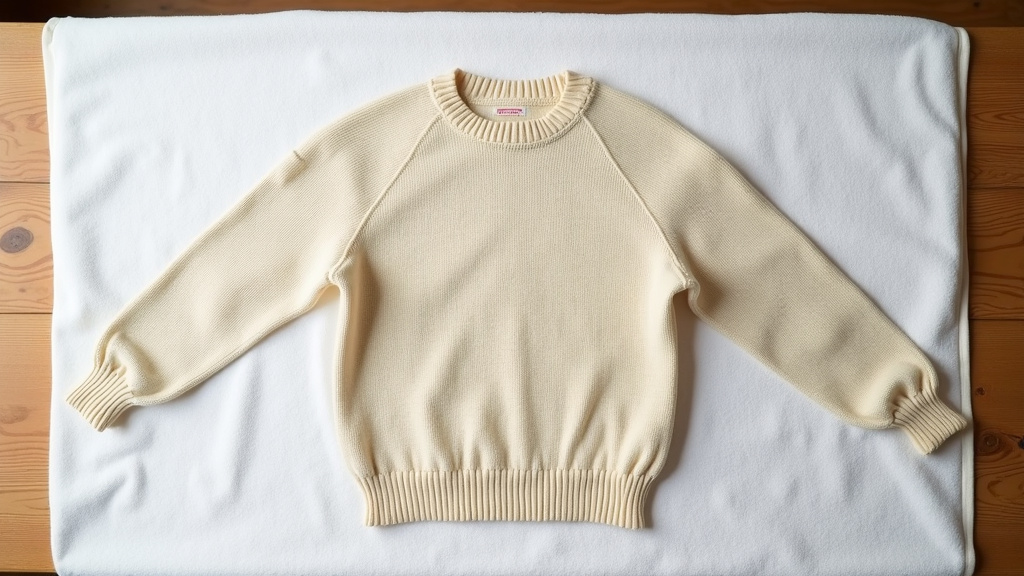
Keep the drying directions in view too. Supporting and flat drying suitable knitwear helps avoid stretching that could happen if its wet weight hangs from narrow points.
Know When Neither Machine Cycle Is Appropriate
Neither program is a safe default for every embellished, structured or fragile garment. Glued decorations, vulnerable linings and other details may need a different care method.
If the label requires professional cleaning, follow that instruction. A shorter wash or a mesh bag doesn’t make the materials tolerant of water.
Don’t trial an uncertain cycle with several treasured items at once. Contact the garment maker or a qualified cleaner if you can’t establish a suitable method.
The manufacturer videos illustrate control selection, not permission to ignore a clothing label. Match only the relevant temperature and spin concepts to your own machine.
Follow This Six-Point Gentle-Wash Checklist
Make the garment decision before the washer decision. This order prevents a convenient button from becoming the reason you take a fabric-care risk.
- Confirm machine washing is permitted for every item.
- Read your model’s Delicate and Hand Wash descriptions.
- Separate incompatible colors, textures and closures.
- Use suitable mesh bags without overfilling them.
- Check detergent, temperature and final spin against the instructions.
- Prepare the permitted drying space before starting.
Photograph the care label for an unfamiliar garment if that helps you compare instructions beside the machine. Keep your own notes tied to that item rather than turning them into a rule for all wool or silk.
Handle the Wet Laundry Without Stretching It
Support the garment as you lift it out, especially if a low-spin cycle has left it heavy with water. Avoid yanking on straps, narrow seams or sleeves.
Follow the label’s instruction for flat drying, line drying or another method. Don’t wring a fragile item simply because it is wetter than your usual cotton wash.
For an item that permits towel pressing, use clean towels and gentle pressure rather than twisting. Keep the garment’s shape and trim supported during the process.
Check the drying surface before placing wet clothing on it. A clean, colorfast support avoids transferring dye or dirt, and enough space lets you arrange sleeves and hems without leaving them folded into a heavy pile.
Evaluate Cleanliness Without Increasing Force Blindly
If a gentle wash leaves a mark, use a fabric-safe stain treatment rather than automatically switching to Heavy Duty. A dirty delicate item remains delicate.
Check whether you overloaded the cycle, used an unsuitable product or expected a rinse to do the work of washing. Correct the identifiable issue within the garment’s limits.
New stretching, loose decorations or changed texture are reasons to stop and reassess. Repeating a cycle to see whether it gets better can add more damage.
Take a clear photo of the care label and affected area if you ask the garment maker for help. Describe the wash method and products used so the advice addresses the actual treatment rather than a guess.
Conclusion
Delicate and machine Hand Wash programs can offer different degrees of gentle care, but the labels on your clothes come first. Hand wash only still means following the garment’s hand-washing instructions unless its maker clearly approves a machine method.
Read your washer’s program descriptions, use compatible detergent and keep fragile loads small and well sorted. Don’t undo gentle washing with an unsuitable fast spin or drying method. When the instructions are unclear, ask before washing. The right choice protects the finished garment, including its seams and decorations, not just the fiber named on the label.
Frequently Asked Questions
Is Delicate always gentler than Normal?
It is generally intended for gentler machine care, but the exact routine depends on the model. Check its cycle guide and your garment’s instructions.
Can a mesh bag replace hand washing?
No. It can contain a suitable machine-washable item, but the fabric still experiences machine movement and water. Follow hand-wash-only instructions.
Why are delicate clothes still wet afterward?
The program may use a low spin or no spin to protect the load. Confirm the settings before treating extra moisture as a fault.
Can I machine wash every silk item?
No. Some silk garments permit gentle machine washing, while others require hand or professional care. The finished item’s label is the deciding guide.
Should I use less detergent on Delicates?
Measure according to the detergent, fabric and actual load size. Small loads often need a smaller measured dose, but there isn’t one universal amount for every product.


