Front Load vs Top Load Washers: Which Should You Choose? (November 2026)
Choose a front-load washer for a front opening and a top-load washer for access from above. Your room layout, reach, laundry habits and willingness to care for the door area matter more than the design name alone.
On this page (8 sections)
- Front load vs top load washer: which fits your space?
- Which washer is easier to load and reach into?
- How do the two designs wash clothes?
- Which washer is easier to maintain?
- Do front-load and top-load washers need hot water?
- Which washer style makes sense for your routine?
- Does washer design affect spin-cycle water extraction?
- Which should you choose?
Choose a front-load washer for a front opening and a top-load washer for access from above. In a front vs top load washer comparison, the best fit depends on your room, how you reach into the drum and which maintenance steps suit your routine.
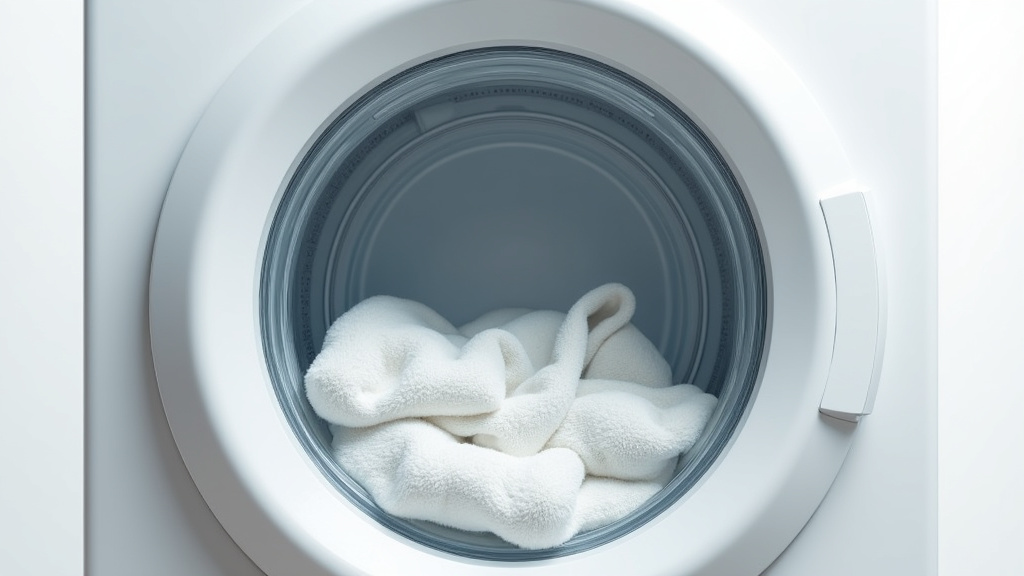
A front-load washer has a door on the front, while a top-load washer opens at the top. That difference affects where you stand, how you load laundry and how much space the door or lid needs.
The washer style doesn't tell you everything about how clothes move or how much water a model uses. Compare the exact machine's instructions and specifications, then match them to your habits.
 Best for front-load seal stains
ACTIVE Mold Stain Remover Gel Cleaner Heavy
 Best for routine washer cleaning
ACTIVE Washing Machine Cleaner Descaler 24 Pack
Front load vs top load washer: which fits your space?
A top-load washer needs room above its lid; a front-load washer needs room in front for its door and access. Measure the washer location with the door or lid open, not just the empty floor area.
For a top-load machine, check for shelves, cabinets or a counter above it. A tight overhead space can make the lid awkward to use, even if the washer itself fits.
For a front-load machine, check the door swing and the space you need to stand in front. Nearby cabinets, a wall or another appliance may limit how far the door can open.
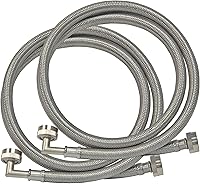
Measure the path into the laundry room too. For washer connections, compare stainless steel vs rubber washer hoses before installation.
Hallways, doorways and turns can affect delivery, and the selected model's dimensions and installation clearances determine whether it fits.
Does a front-load washer need a pedestal?
A pedestal can raise a front-load washer, but it also changes the total height and setup. Check whether the washer supports the pedestal and whether the added height suits your reach and overhead space.
Without a raised base, you may need to bend lower to reach the back of the drum. A pedestal can bring the opening closer to hand height, though it takes up more vertical space.
Don't choose a washer based on an imagined standard pedestal height. Check the exact washer and compatible accessories before planning the layout.
Does a top-load washer need space above it?
Yes, leave enough room to open the lid fully and load clothes comfortably. A shelf that clears a closed washer may still get in the way when the lid is raised.
Stand where you'll load the machine and picture reaching into the back of the drum. If you need to lift laundry over a counter or lean around a cabinet, the location may be frustrating to use.
A top-load layout can suit a narrow space in front of the washer, as long as there's enough overhead clearance. Confirm the lid's movement and the installation requirements for the model you choose.
Which washer is easier to load and reach into?
A top-load washer lets you load from above; a front-load washer puts the opening in front of you. Which feels easier depends on your reach, the machine's height and how you move laundry between appliances.
A top opening can make it convenient to add clothes from a basket beside the machine. Reaching items at the bottom of a deep drum may still take a stretch or bend.
A front opening lets you face the drum as you load and unload. Lower openings can mean bending, while the back of a full drum may still be a reach.
If possible, compare the opening height and drum depth for the exact machines. Consider who uses the washer most, whether a raised base is an option and how easily you can transfer wet clothes to a dryer.
How do the two designs wash clothes?
Both designs wash clothes by moving them through water and detergent, but they can use different movement patterns. The exact action depends on the washer, so check the model's wash mechanism and cycle options.
Some top-load washers use an agitator or another system to move clothes. Front-load washers generally tumble clothes as the drum turns, but design details vary between models.
For a closer look at these mechanics, read How Front-load and Top-load Washers Move Your Clothes. It explains why opening style and movement are related, but aren't interchangeable descriptions.
Cleaning also depends on using a suitable cycle and detergent amount for the load. This guide to [How Does a Washing Machine Clean Clothes?
A Simple Guide](/how-does-a-washing-machine-clean-clothes/) covers the basic process.
Is a top-load washer better for bulky laundry?
A top opening can make it easy to place bulky items into the drum, but capacity and loading instructions matter more than style alone. Check the model's capacity and manual before washing bedding or other large items.
A bulky item needs enough room to move through the wash. Packing the drum tightly can keep clothes from moving as intended, whichever design you choose.
Use How to Load a Washing Machine Without Overloading It to judge a load by space and movement. For a front-loader, How Full Should a Front-Load Washer Drum Be Safely? offers guidance specific to its drum.
Which washer is easier to maintain?
A front-load washer needs attention around its door seal, while either style needs cleaning based on its manual. The right routine depends on the washer's care instructions and the conditions in your laundry room.
After a front-load wash, follow the manual's guidance for the door and seal. Wiping away moisture or residue and allowing the area to dry can help keep the seal clean.
If a seal has a stubborn stain, ACTIVE Mold Stain Remover Gel Cleaner Heavy is made for washer seal stains. Its directions say to leave the gel on the treated area for at least five hours before wiping and rinsing.
A washer cleaning tablet can suit either design. ACTIVE Washing Machine Cleaner Descaler 24 Pack is made for front-load and top-load washers and contains 24 tablets.
Follow the cleaner directions and your washer manual. For more on choosing a washer-safe cleaner, see washing machine cleaner vs dishwasher cleaner.
Do front-load and top-load washers need hot water?
Check the exact washer's cycle options and instructions instead of assuming its design requires hot water. Many laundry decisions depend on the fabric, soil and cycle, not just whether the door is on top or in front.
A washer may offer multiple temperature choices, but those choices vary by model. The Kenmore 4.4 cu. ft.
Top Load Washer, for example, has 4 temperature options.
Choose settings based on its manual and the care label on your clothes.
Read Do Washing Machines Need Hot Water? for a closer look at temperature and laundry needs. Compare available settings on the exact washer before treating a design as a shortcut to a particular wash result.
Which washer style makes sense for your routine?
Choose the style that makes your most common laundry tasks comfortable and easy to repeat. Features like a built-in pretreating faucet or a specific set of cycles can matter more than the opening style.
A top-load washer can suit you if you prefer loading from above. The Samsung Smart 4.7 Cu Ft Top Load has a built-in WaterJet faucet for pretreating stains inside the tub and a Self Clean function.
A top-load model with named cycles may help if you regularly wash different fabric types. The Kenmore model includes 10 wash cycles, including Delicates, Towels and Heavy Duty.
For a front-load machine, consider whether its seal-care routine and door access work in your room. Compare the specific model's cycles and cleaning instructions, since not every front-loader has the same features.
If you need help deciding between broad machine types, what type of washing machine is best covers other factors that can shape the choice.
Does washer design affect spin-cycle water extraction?
The spin cycle helps remove water by turning the drum, but the result depends on the washer and its settings. Compare the exact model's spin options and instructions if drying time is a concern.
Clothes that leave a washer wetter may take longer to dry, but you shouldn't assume every front-load or top-load model performs the same way. Fabric type, load balance and the selected cycle also matter.
See How a Washer Spin Cycle Extracts Water from Your Clothes for a simple explanation of the process. Follow the washer manual when selecting a spin setting, especially for delicate items.
Which should you choose?
Choose a front-load washer if the front door fits your room and its seal-care routine works for you; choose a top-load washer if you prefer overhead access and have enough lid clearance. Then compare exact dimensions, cycle options, water and energy information, and care instructions.
If you often pretreat stains in the tub, a top-load model with a built-in faucet, such as the Samsung, may match that habit. If you want several named cycles and temperature options, the Kenmore offers 10 cycles and 4 temperature choices.
A front-load washer may suit a room where overhead space is limited, provided you have room for its door to open. For either style, make the final choice by checking the model's own measurements and manual.
ENERGY STAR's clothes washer guidance can help you compare efficiency information. Pick the washer whose opening, features and care steps fit the way you actually do laundry.
Frequently asked questions
Which is better, a front-load or top-load washer?
Neither style is best for every home. Choose a front-load washer if its front door and drum height suit your reach and room; choose a top-load washer if you prefer loading from above.
Compare the exact models' dimensions, cycle options, care instructions and energy information before deciding.
Does a front-load washer need more maintenance?
A front-load washer's door seal and surrounding area need attention because moisture or residue can collect there. Follow the manual's cleaning and drying directions.
Top-load washers also need regular care, so check each model's instructions rather than assuming one style is maintenance-free.
Can you add clothes after a cycle starts?
It depends on the washer and where it is in the cycle. Check the manual for its pause, add-garment or door-lock instructions, and never force a locked door.
If you often find forgotten items, make access and the machine's controls part of your model comparison.
Do front-load washers use less water?
Water use varies by model and selected cycle, so the design alone doesn't tell you how much a washer will use. Compare the exact models' energy and water information, such as their EnergyGuide labels, and consider the cycles you expect to run most often.