How to Choose a Washing Machine
Choose a washing machine by matching its type, capacity and installation needs to your home and laundry routine. Then compare useful cycles, controls, noise and upkeep before you buy.
On this page (7 sections)
- Which washing machine type fits your home?
- What washer capacity should you choose?
- How can you confirm the washer will fit and install?
- Which washer features are useful in daily use?
- How should you compare noise and upkeep?
- How do you choose between brands and sizes?
- What is the simplest way to make your final choice?
Choose a washing machine by matching washer type, capacity and installation needs to your home and laundry routine. Compare useful cycles and controls after you know the machine will fit the space and handle the loads you wash most often.
A compact portable washer may suit a small home with limited laundry space, while a standard machine can be a better fit where there is a dedicated laundry area. This washing machine buying guide walks through the decisions to make before you choose.
Which washing machine type fits your home?
Start with the washer design that works with your space and loading habits. Top-load and front-load designs differ in how you access the drum, but the right choice depends on the specific machine and your room.
Measure the available area, including room to open the lid or door. Consider how you prefer to load laundry and whether you need a compact or portable unit.
For apartment-sized options, compare small washing machines for apartments.
If you're comparing designs, our guide to what type of washing machine is best for your home can help you narrow the options. For brand-specific choices, see our Speed Queen washer model comparison.
What washer capacity should you choose?
Choose capacity based on your typical laundry load and how often you wash, with some allowance for occasional larger items. Think about the kinds of laundry you handle rather than choosing the largest tub that fits.
A compact washer may work for smaller, more frequent loads. A larger household or less frequent laundry schedule may call for more capacity, but the room and installation setup still need to support it.
Product capacity labels are not a promise that every bulky item will fit comfortably. Check the manual for load guidance, and see how to load a washing machine without overloading it.
How can you confirm the washer will fit and install?
Measure the washer and its full delivery route before you buy. Check the intended spot, doorways, hallways and any turns between the entrance and laundry area.
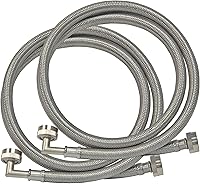
Confirm that the location has the water, drain and electrical connections the model requires. If you need supply hoses, compare stainless steel and rubber washer hoses.
Portable machines still need a suitable place to operate and a way to handle water, so review the setup instructions carefully.
The Giantex is a freestanding, top-load portable washer with a 1.34 cu ft capacity. Its listed dimensions are 19.7 in deep, 19.8 in wide and 33.6 in high, so compare those measurements with your intended space and route.
The COMFEE' is also freestanding and top-loading, with a 2.4 cu ft capacity and listed dimensions of 21.7 in deep, 22.2 in wide and 37.4 in high. Measure before choosing between compact models, since a small difference can affect door clearance or where the machine can stand.
Which washer features are useful in daily use?
Prioritize features that make your usual laundry routine easier. A clear display, straightforward controls or a cycle you use often may matter more than a long list of modes.
The Giantex includes 10 programs, 8 water-level selections, an LED display and a child-lock function. COMFEE' describes a Hygiene+ mode with three times the rinsing cycle of most normal portable washers, plus a Turbo Wash mode and soft-close lid.
For steam-cycle options, compare our guide to the best washing machines with steam. If you prefer fewer controls, our best simple washing machine guide may help you focus on uncomplicated operation.
Smart features can be helpful if you'll use connected controls or alerts. Learn what a smart washing machine is before deciding whether connected functions belong on your must-have list, and browse best smart washing machines for options.
How should you compare noise and upkeep?
Check the noise information and maintenance instructions for the specific model, especially if the washer will sit near a living or sleeping area. A quietness claim or a single noise figure may not reflect every part of a wash cycle.
The Giantex lists a noise level of 55 dB. Compare that figure with other models only when the measurement context is clear, and look for placement guidance that may help limit vibration.
Plan for routine drum care, too. ACTIVE's washing machine cleaner comes as effervescent tablets intended to clean and deodorize washers, including front-load and top-load models.
For more on wash action, read how a washing machine cleans clothes. You can also compare best quiet washing machines if noise is a key concern.
How do you choose between brands and sizes?
Compare models by the features and dimensions that fit your priorities, rather than by brand name alone. Check the controls, capacity, installation type, noise details and care instructions for each option.
If a brand is already on your shortlist, use focused comparisons to understand its models. Read is a Bosch washing machine good, how good Miele washing machines are, best Whirlpool washing machines and best Maytag washing machines.
For a size-specific search, compare the best 27 inch washing machines. If longevity matters to your decision, see how long a washing machine lasts, and read whether Speed Queen is a good washer for another brand-focused view.
What is the simplest way to make your final choice?
Choose the washer that fits the installation space, suits your usual load size and offers features you'll use. Confirm measurements and setup requirements before weighing smaller preferences.
Pick a portable model if compact placement is central to your plan, and compare its capacity with your laundry habits. Choose a standard design when the available space and connections suit it, then narrow the field by useful cycles, controls and noise.
Before buying, measure the route and installation spot, confirm the capacity works for your routine, and check the model's instructions. For ongoing laundry care, learn how to choose a free and clear laundry sanitizer if that type of care fits your needs.
Frequently asked questions
How do I choose the right washing machine?
Start with the washer type that fits your home, then check capacity, installation requirements and the dimensions of the route into the room. Compare cycles and controls only after those basics work for your space and laundry routine.
Is a front-load or top-load washer better?
Neither type is best for every home. Compare how each design fits your available space, loading preference, laundry habits and preferred features, then check the exact dimensions and installation needs of the models you are considering.
How much washer capacity do I need?
Choose capacity based on the size and frequency of your usual loads, plus room for the occasional bulky item. A larger number alone does not ensure a good fit, so check the tub capacity and your space before buying.
What should I check before installing a washing machine?
Measure the washer, doorway, hallway and turns along its delivery route, then confirm the installation location has the required water, drain and power connections. Follow the model's instructions for leveling and clearances.
Are extra washer features worth paying for?
A feature is useful when it solves a regular need, such as a cycle you often use or controls that make operation easier. Make a short list of must-haves and compare those first; extra modes may add little value if you rarely use them.