Normal vs. Heavy-Duty Wash Cycles: The Key Differences
On this page (17 sections)
- What Changes Between Everyday and Heavy-Duty Washing?
- What Normal Usually Handles Well
- What Heavy Duty Is Designed to Handle
- Don’t Confuse Load Weight With Dirtiness
- Normal With Heavy Soil Is a Separate Choice
- Compare the Choices Without Fixed Temperature Claims
- Let the Most Sensitive Item Set the Limit
- Pretreat the Stain Instead of Only Increasing Force
- Choose Temperature as Its Own Decision
- Measure Detergent for the Actual Load
- Leave Room for the Fabric to Move
- Account for Spin and Drying Afterward
- Avoid Using Heavy Duty as a Sanitize Substitute
- Use a Six-Step Cycle Decision
- Check the Result Before Changing the Routine Again
- Conclusion
- Frequently Asked Questions
Normal and Heavy Duty cycles serve different cleaning needs. Normal usually suits everyday, moderately soiled laundry, while Heavy Duty is intended for sturdy items needing a stronger or longer washing routine.
The difference isn’t simply a full basket versus a half basket. Fabric strength and soil level matter more than how heavy your hamper feels, and the actual changes in movement, temperature and timing depend on your washer.
- Normal is a starting point for compatible everyday clothing, not every garment.
- Heavy Duty belongs with sturdy laundry whose care labels allow that treatment.
- A Heavy soil setting isn’t necessarily the same as a Heavy Duty cycle.
- Neither program solves overloading, excess detergent or an unsuitable temperature.
- Check stains before drying, even after using a stronger program.
A good choice cleans the load without giving it more treatment than it needs. The steps below help you decide when Normal is enough, when Heavy Duty makes sense and when a separate approach is safer.
What Changes Between Everyday and Heavy-Duty Washing?
The program changes the washing routine to suit its intended load. Heavy Duty may provide more wash time, stronger movement or different temperature choices than Normal.
Those differences aren’t identical across brands or even models from the same brand. One washer may offer several temperatures for Heavy Duty; another may restrict some adjustments.
Compare the two entries in your machine’s cycle guide. For a shorter routine, review when Quick Wash is suitable. Look at their recommended fabrics, default settings and available options, not just the number shown on the timer.
What Normal Usually Handles Well
Normal is commonly intended for ordinary machine-washable clothes with everyday soil. Compatible cotton shirts, socks and similar items may fit that description when their labels agree.
Normal doesn’t mean cold by definition, and it doesn’t mean the gentlest program on the dial. Check the water temperature and spin setting each time.
A day of routine indoor wear is different from gardening in wet soil. Sorting by cleaning need lets you wash the first load without giving it the same treatment as the second.
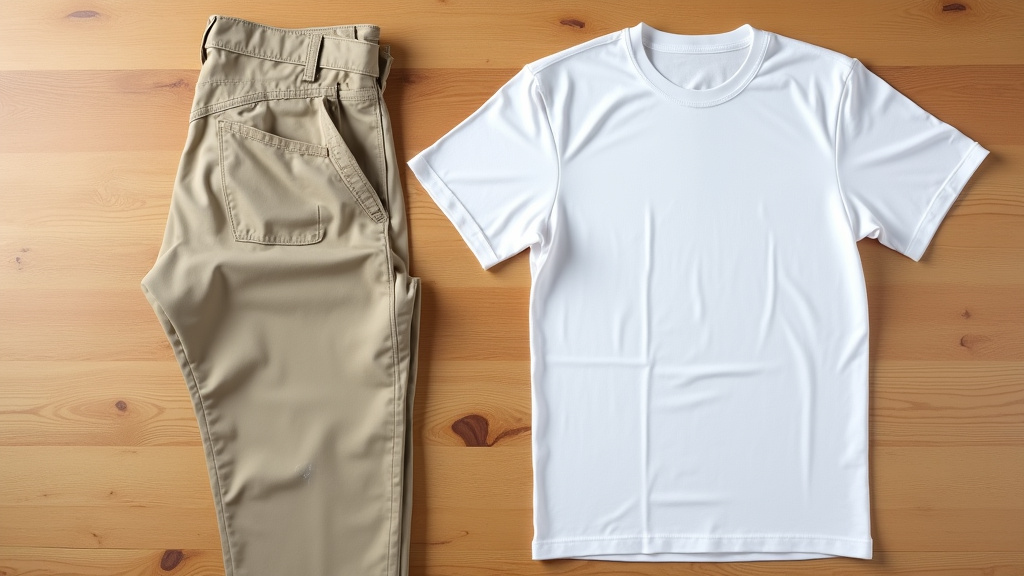
For example, separate a pair of muddy gardening trousers from a basket of otherwise lightly worn shirts. Check the trousers’ label, remove loose earth and treat the stain rather than making every shirt share their cleaning routine.
What Heavy Duty Is Designed to Handle
Heavy Duty is a candidate for durable, dirtier laundry that can tolerate its routine. Maytag describes the cycle as a choice for sturdy loads needing more cleaning effort.
Think of washable work clothing with ordinary mud or robust towels with heavier everyday soil. The care label still decides which temperature and washing treatment are safe.
Don’t put fuel-soaked or solvent-contaminated items into a household washer. A powerful-sounding cycle doesn’t make hazardous contamination safe to launder at home.
Don’t Confuse Load Weight With Dirtiness
A heavy basket can contain lightly worn garments, and a small basket can contain very dirty clothes. Choose the cycle for what is on the fabric and what the fabric can tolerate.
Likewise, Heavy Duty isn’t an extra-capacity setting. Packing more clothes in reduces the space available for movement and makes it harder to rinse them evenly.
If an ordinary load only seems heavy because it contains thick fabric, check for a Towels or Bedding program in the manual. The load’s shape and handling needs may matter more than its dirtiness.
Normal With Heavy Soil Is a Separate Choice
The soil-level control modifies a selected cycle. It can add washing time or change other behavior without turning Normal into the machine’s Heavy Duty program.
This can be useful for everyday compatible clothes that are dirtier than usual but don’t need the separate Heavy Duty routine. Available combinations depend on your controls.
Some manuals distinguish Heavy Soil Normal from Heavy Duty. Treat those as separate instructions rather than assuming the repeated word means the settings are identical.
A helpful comparison is to leave the load type unchanged and read the available options for each program. If the machine changes a preset, that tells you what it proposes, not that the new setting is safe for every item you own.
Compare the Choices Without Fixed Temperature Claims
Use this table to sort the decision, then confirm it against your washer. Neither column gives permission to ignore a garment label.
| Question | Normal | Heavy Duty |
|---|---|---|
| Typical need | Everyday compatible laundry | Sturdy laundry needing more cleaning |
| Fabric suitability | Check ordinary machine-wash instructions | Confirm stronger washing is allowed |
| Time | Varies with settings and load | May spend longer washing |
| Temperature | Preset and selectable options vary | Hot water is not a universal requirement |
| Capacity | Stay within loading guidance | Does not permit overfilling |
| Wrong substitute for | Required delicate care | Sanitizing or hazardous-soil handling |
Let the Most Sensitive Item Set the Limit
A load should contain items with compatible care needs. If one garment can’t tolerate the planned program, remove it rather than hoping the rest of the clothes will cushion it.
Stretch trim, attached decorations, loose knits and fragile seams can change the decision even when the main fabric looks strong. Fiber names alone don’t reveal how a finished garment is built.
A plain cotton work shirt and a cotton blouse with lace aren’t interchangeable laundry items. The garment label accounts for details that a general cycle name cannot.
Pretreat the Stain Instead of Only Increasing Force
A targeted stain treatment may help more than putting the whole load on a stronger cycle. Follow the stain remover and fabric instructions, including any colorfastness check.
Remove loose, ordinary debris before loading, using a method safe for the fabric. Don’t scrub delicate areas aggressively or mix household chemicals to make a stronger treatment.
Separate a localized stain from overall dirtiness in your decision. One marked cuff on an otherwise lightly worn shirt doesn’t automatically justify the longest wash for every garment beside it.
Choose Temperature as Its Own Decision
Heavy Duty doesn’t give you permission to use water hotter than the item allows. Set the temperature within the garment’s limits and follow any stain-specific directions.
Some washers allow cold or cool Heavy Duty washing. That option changes the heat choice while keeping other aspects of the program suited to stronger cleaning.
A stain that remains after washing isn’t proof that the water needed to be hotter. Detergent dose, stain treatment, load size and the stain’s history can also explain the result.
Measure Detergent for the Actual Load
Use detergent directions for the product concentration, load size, soil and water conditions. Selecting Heavy Duty doesn’t mean doubling the detergent automatically.
High-efficiency washers require compatible HE detergent. Excess suds can interfere with rinsing and make the washer spend longer dealing with foam.
Check an automatic dispenser’s settings if your model has one. The cycle name is not a substitute for correct product concentration or a properly configured dispenser.
For a manually dosed load, keep the measuring cap or device with the product. An unmeasured splash makes it difficult to learn whether a future result came from the cycle or the amount used.

Leave Room for the Fabric to Move
Loose loading matters on both programs. A tightly packed mass can prevent items from moving as the washer expects and can trap detergent within folded fabric.
Follow your washer’s loading instructions rather than a universal number of items. A pair of jeans and a thin shirt don’t occupy the same space or hold the same amount of water.
Don’t add garments just because the load settles after getting wet. The settling is part of the wash, not evidence that the original dry load was too small.
Account for Spin and Drying Afterward
Both cycles can include a substantial final spin, depending on the machine. Check whether the chosen speed suits the fabric and how you plan to dry it.
Sturdy items may benefit from less retained water, while crease-prone pieces may need a gentler finish. Changing spin speed doesn’t replace choosing the right wash action.
Inspect stained areas before applying dryer heat. If a mark remains, follow the garment-safe treatment directions again instead of assuming the completed Heavy Duty cycle guarantees removal.
Avoid Using Heavy Duty as a Sanitize Substitute
Heavy Duty describes a cleaning routine, not a universal disinfection claim. Sanitize programs have their own instructions, compatible loads and sometimes required additives.
For laundry needing infection-related handling, follow current public-health or clinical instructions relevant to that situation. Don’t invent a substitute by combining a hot setting with a longer wash.
The same caution applies to odors. A fragrance-heavy product or a stronger cycle can mask a result without showing why an odor keeps returning.
Use a Six-Step Cycle Decision
Before you choose the more demanding option, work through the following checks. They keep the decision tied to the laundry rather than habit.
- Confirm every item is machine washable.
- Separate anything requiring delicate or special care.
- Decide whether the soil is ordinary or unusually heavy.
- Pretreat individual stains according to product directions.
- Compare the two programs in your model’s cycle guide.
- Check detergent, temperature, spin and loose loading before Start.
If Normal consistently handles your ordinary loads well, there is no reason to replace it with Heavy Duty for every wash. Reserve the stronger routine for loads that need and tolerate it.
Check the Result Before Changing the Routine Again
Judge the cleaned laundry, not just the speed of the cycle or the sound of the motor. Look for remaining soil, detergent residue, unexpected creasing and fabric damage.
When results disappoint, change one reasonable factor at a time. For example, correct an overloaded drum before deciding the Normal program is inadequate.
Write down the load type and settings when a problem repeats. That gives you a useful starting point for manufacturer support instead of a vague report that the washer never cleans properly.
Persistent drainage errors, leaks, burning smells or harsh banging call for stopping and getting help. Repeated Heavy Duty cycles won’t fix a mechanical fault.
For a fabric-care problem, keep the care label and a description of the stain handy when seeking advice. Appliance support can explain the program, while the garment maker is better placed to clarify a special material restriction.
Conclusion
Normal is usually the practical choice for everyday compatible laundry, while Heavy Duty is meant for sturdy items needing more cleaning effort. Decide from the fabric and soil, not the weight of the basket or the promise of a stronger-sounding name.
Check your washer’s cycle guide, treat stains carefully and measure the detergent. Keep the load loose and choose temperature and spin within the garment’s limits. If a wash disappoints, inspect the cause before increasing every setting. A well-chosen Normal cycle can be the right answer, and Heavy Duty earns its place when the load truly needs it.
Frequently Asked Questions
Is Heavy Duty always hotter than Normal?
No. Temperature options and defaults vary by model. Read the cycle guide and stay within the garment’s washing-temperature limit.
Can I use Heavy Duty for a full load?
Only when the fabrics and soil suit it, and the load stays within the washer’s guidance. The cycle does not increase the drum’s usable capacity.
Does Heavy Duty damage clothing?
It can be unsuitable for fragile or special-care clothing. Stronger washing isn’t automatically harmful to sturdy compatible items, but it isn’t needed for every load.
Should all towels go on Heavy Duty?
Check their labels and your machine’s towel guidance. Some towel loads suit Normal or a dedicated Towels program, while dirtier durable loads may suit Heavy Duty.
Why is my Normal cycle taking longer than expected?
Load sensing, rinsing, filling and balance adjustments can extend it. Check added options and any error code before assuming the wrong cycle is running.


